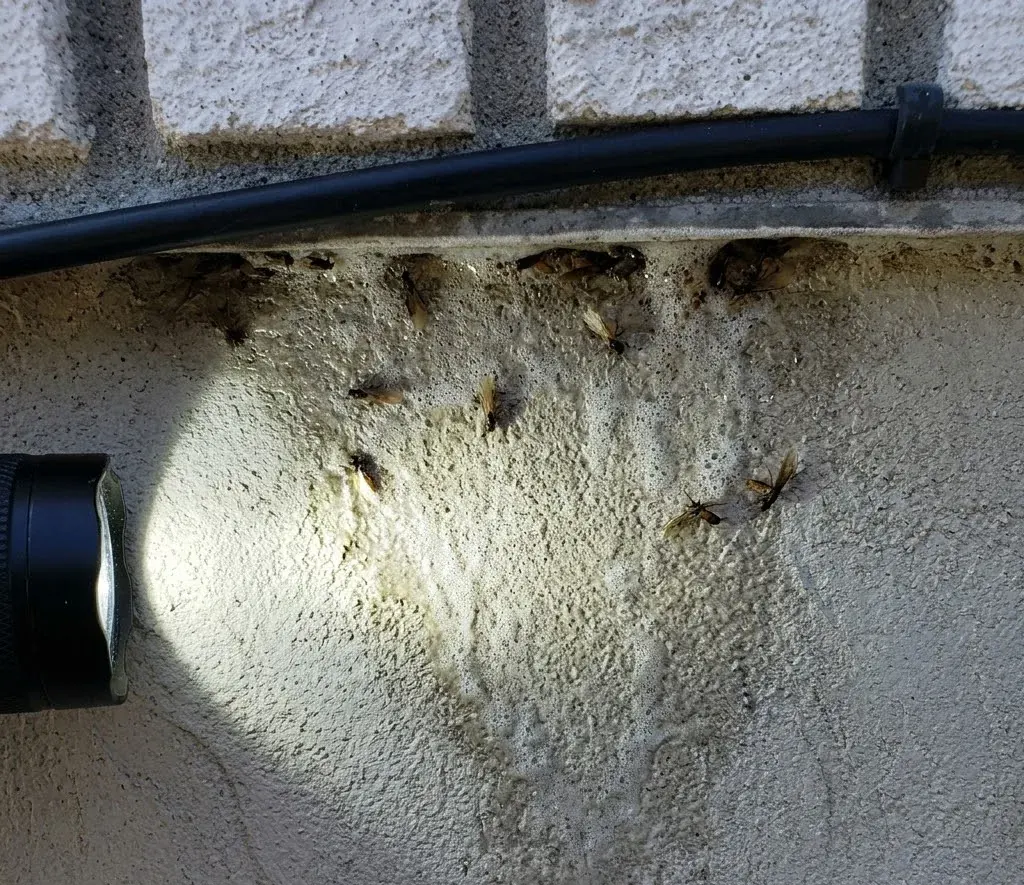
Moisture and Wood Create Favorable Conditions
High Point's seasonal warmth can coincide with termite swarming; North Carolina subterranean termites may swarm from late winter into early fall. A sighting near High Point Museum is no proof of a local infestation. Moisture and wood contact with soil are conditions an inspector can assess.
Homes and small businesses along US Highway 158 can differ in construction and moisture conditions. A swarm near The Big Chair does not establish property risk; location alone cannot confirm termites. An inspection checks the actual structure and visible evidence.
Termite questions reach us from High Point and Guilford, including from owners of houses and small commercial properties. Ask the pros we connect you with to check the property address directly; a general service-area description cannot confirm coverage for a specific location.
Signs Around the Structure
- SWARMERS
- Swarmers are winged termites that leave a colony to reproduce; finding them indoors can point to nearby activity.
- SPECIMEN
- A swarm's size does not measure the extent of a colony or any concealed wood damage.
- SPRAYING
- A clear photograph or saved specimen can help a professional identify the insects.
- INSPECTION
- Record the room, exact spot, date, and time where indoor swarmers appeared.
- TIMING
- Inspection findings can guide whether treatment or further evaluation is appropriate.
- Inspection
- In High Point, subterranean termite swarms may occur from late winter into early fall. Warm-season sightings can follow weather changes, but timing alone cannot locate a colony or confirm damage. Record the date and room, then arrange an inspection.
- Inspection
- an estimated $75–$250
Mud Tubes or Surface Marks
Flying ants. Both may appear winged near indoor lights, and either can leave wings on a sill. A photo or specimen lets a professional assess what appeared without guessing from the room alone. Flying ants can also gather at windows and leave wings behind, so a photograph may not settle identification. Preserve a specimen if practical and ask the inspector to identify it; do not rely on the swarm's location alone.
Keeping Bait Stations Accessible for Monitoring
Moisture and wood-to-soil contact can create conditions that favor termite activity. The inspection may help locate an entry or emergence point, but concealed areas can limit what is visible. Findings guide whether treatment or follow-up evaluation is appropriate.
If treatment is recommended, the method depends on the activity found and the property's conditions. Options may include liquid termiticide, monitored bait stations, or another labeled approach. The provider should explain the findings, proposed work, and follow-up in writing before treatment begins.
When signs are uncertain, an inspection may be the useful first visit; it can document what was seen and whether treatment is recommended. A continuing plan is for a stated monitoring need. Ask whether the inspection ends the work or starts a separate treatment or follow-up agreement.
INSPECTING FOR TERMITE SIGNS VERSUS TRACKING ACTIVITY OVER TIME
| Treatment Option |
Choosing an Approach |
|---|
| One small sign, checked early | Property-specific treatment plan |
| Renewed termite evidence after service | Periodic monitoring |
| Termite clues in separate parts of the structure | Work completed; monitoring choices covered |
When to Call for Professional Termite Control
Take a clear photo and, if practical, place a specimen in a closed container without handling it directly. Note the room, date, and time. Do not open walls, disturb suspected activity, or apply pesticide to the swarm; stop at documenting what is visible and request an inspection.
When Damaged Wood Needs Review
Winged termites are generally a nuisance, not an immediate household hazard. Keep children and pets away from pesticide products, and do not spray the swarm casually; products can expose people, pets, or the environment if misused. Photograph the insects, save a specimen if practical, and arrange an inspection. A growing swarm is not a reason to disturb walls or trim.
Get a termite inspection cost estimate
Ask the provider to put the termite plan in writing, with costs based on inspection results, property conditions, and the treatment work described.The guide range describes typical treatment work; inspection findings may call for a different scope, and monitoring, follow-up visits, or wood repairs may be separate. For a High Point home, ask how the findings and included work affect the quote. Mention any signs noticed near High Point Museum, and confirm visit charges and the written scope with the pros we connect you with.Compare inspection, treatment, and monitoring costs in the pricing guide; service details and next steps are on the Termite Inspection page.