What an Inspection Can Establish
High Point properties vary in foundation access and construction, so a Termidor plan cannot be chosen from the street address alone. A home along Highway 64 needs its own inspection and treatment history checked before the provider sets the work scope.
A property near the High Point Museum or Jamestown Park should not be assigned a termite treatment based on its landmark or ZIP code. The provider needs to assess that structure’s layout and access points to decide where a labeled application can be made.
From High Point through Guilford, property owners seek information about termite treatment and inspections. Coverage depends on the address, so the pros we connect you with should verify the location before an owner relies on service availability.
What Damaged Wood Reveals
- PRODUCT
- The provider should identify the exact Termidor product proposed, since application directions depend on that product’s label.
- APPLICATION
- Soil beside a foundation and access beneath a slab may be part of a labeled application plan.
- ACCESS
- The treatment scope should name the areas to be treated and access the property owner must provide.
- FOLLOW-UP
- Follow-up, monitoring, and retreatment terms depend on the provider’s written agreement.
- AGREEMENT
- A homeowner near The Big Chair or a small business near High Point Museum should get the proposed product, treated areas, and follow-up terms in writing.
- Inspection
- Seasonal moisture shifts can change what a provider considers before Termidor soil treatment in High Point. A home near High Point Museum, Stone Park, or Presnell Street Park still needs site-specific planning; the calendar alone does not set the application.
- Inspection
- an estimated $600–$1,800
Inspection for Similar Insects
Termite inspection. An inspection records observed conditions and helps guide a treatment plan; it does not mean Termidor has been applied. Keep the inspection findings and the treatment record distinct when reviewing a property’s history. Check the service paperwork for the exact product name, application locations, and follow-up terms. A report or estimate that says only “termite treatment” does not establish that Termidor was used. Ask the provider to identify the product and explain the labeled application in the written scope.
Written Scope and Follow Up Terms
The provider first selects the Termidor product and application allowed for the site. For soil work, the plan may call for a treated zone beside the foundation; slab construction can require access through drilled points. The scope should show where work will occur and how surfaces will be restored.
Before application, the provider explains access needs and site-specific precautions. After applying the product as its label directs, the provider records the treated areas and any follow-up terms. A High Point homeowner should receive those details in writing, including what happens if later inspection finds activity outside the original scope.
When signs are uncertain, an inspection may be the useful first visit; it can document what was seen and whether treatment is recommended. A continuing plan is for a stated monitoring need. Ask whether the inspection ends the work or starts a separate treatment or follow-up agreement.
HOW TERMITE INSPECTIONS DIFFER FROM FOLLOW-UP MONITORING
| How It Works |
Property-Specific Methods |
|---|
| A narrow concern raised at first inspection | Inspection before treatment |
| Fresh activity following earlier termite work | Written scope review |
| Possible signs across multiple areas | Service finished; follow-up plan discussed |
Inspection RecordsFor a home sale, North Carolina’s Wood-Destroying Insect Report records inspection findings; it is not a guarantee that a structure is termite-free or a Termidor treatment warranty. Keep the report separate from treatment paperwork and ask the provider for a written record of the product and areas treated.
How Termites Weaken Wood Structures
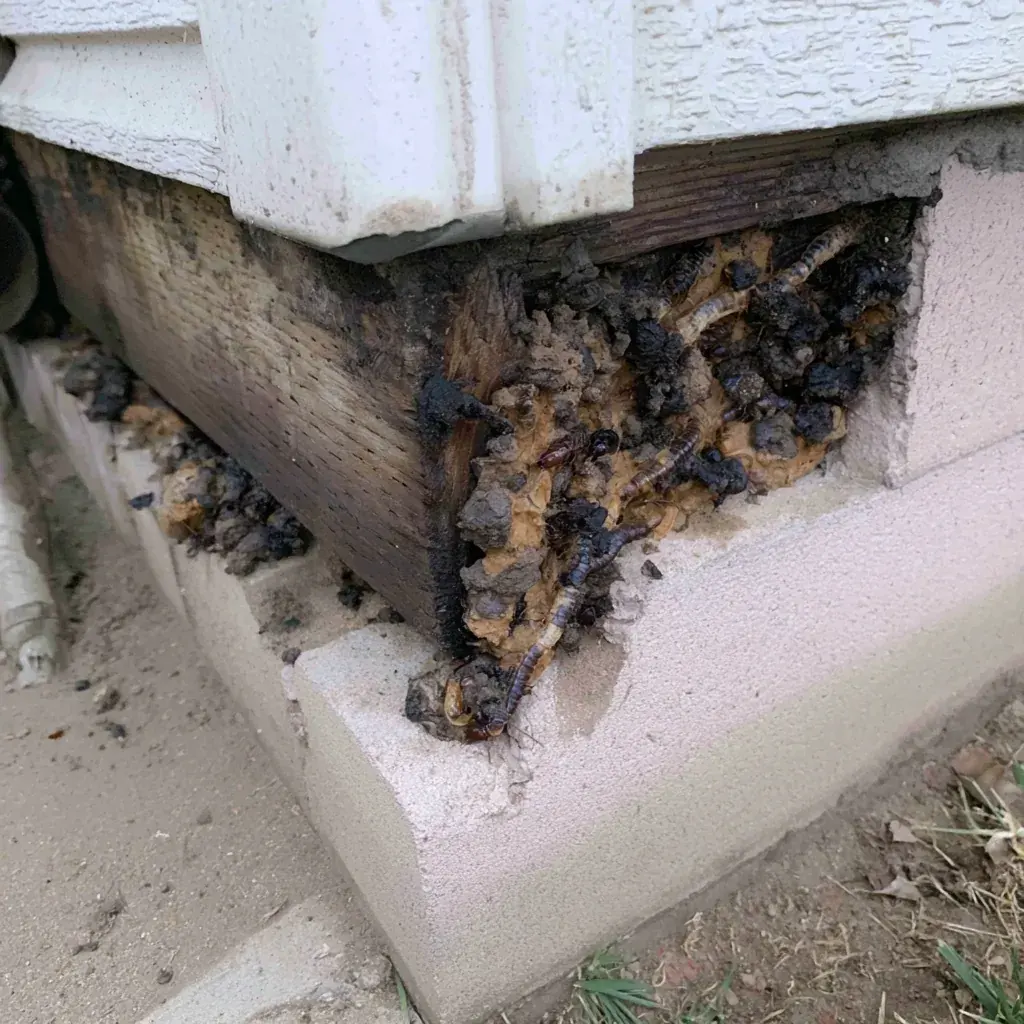
Termite activity can also leave mud tubes or discarded wings near areas where the colony has been active. Delaying assessment may leave damage beyond the visible surface, which can require opening finished areas before repairs are planned. Have affected wood evaluated; treatment addresses termite control, while structural repair may need separate work.
Safe Steps Before a Termite Inspection
A homeowner can note where activity was seen, photograph it, and keep the area undisturbed for inspection. Read any product information the provider leaves and ask about access and return-to-use instructions. Do not buy or apply Termidor for a home treatment; its use must follow the product label and the provider’s professional plan.
Safe Steps Before an Inspection
Termidor application can involve treated soil or drilled areas around a structure. Keep children and pets away from the work area while treatment is underway, and ask the provider when each area is safe to use again. If anyone feels unwell after possible contact, follow the product label’s first-aid directions and contact a medical professional.
Get a termite inspection cost estimate
Ask the provider to put the termite plan in writing, with costs based on inspection results, property conditions, and the treatment work described.The guide range describes typical treatment work; inspection findings may call for a different scope, and monitoring, follow-up visits, or wood repairs may be separate. For a High Point home, ask how the findings and included work affect the quote. Mention any signs noticed near High Point Museum, and confirm visit charges and the written scope with the pros we connect you with.Compare inspection, treatment, and monitoring costs in the pricing guide; service details and next steps are on the Subterranean Termite Treatment page.