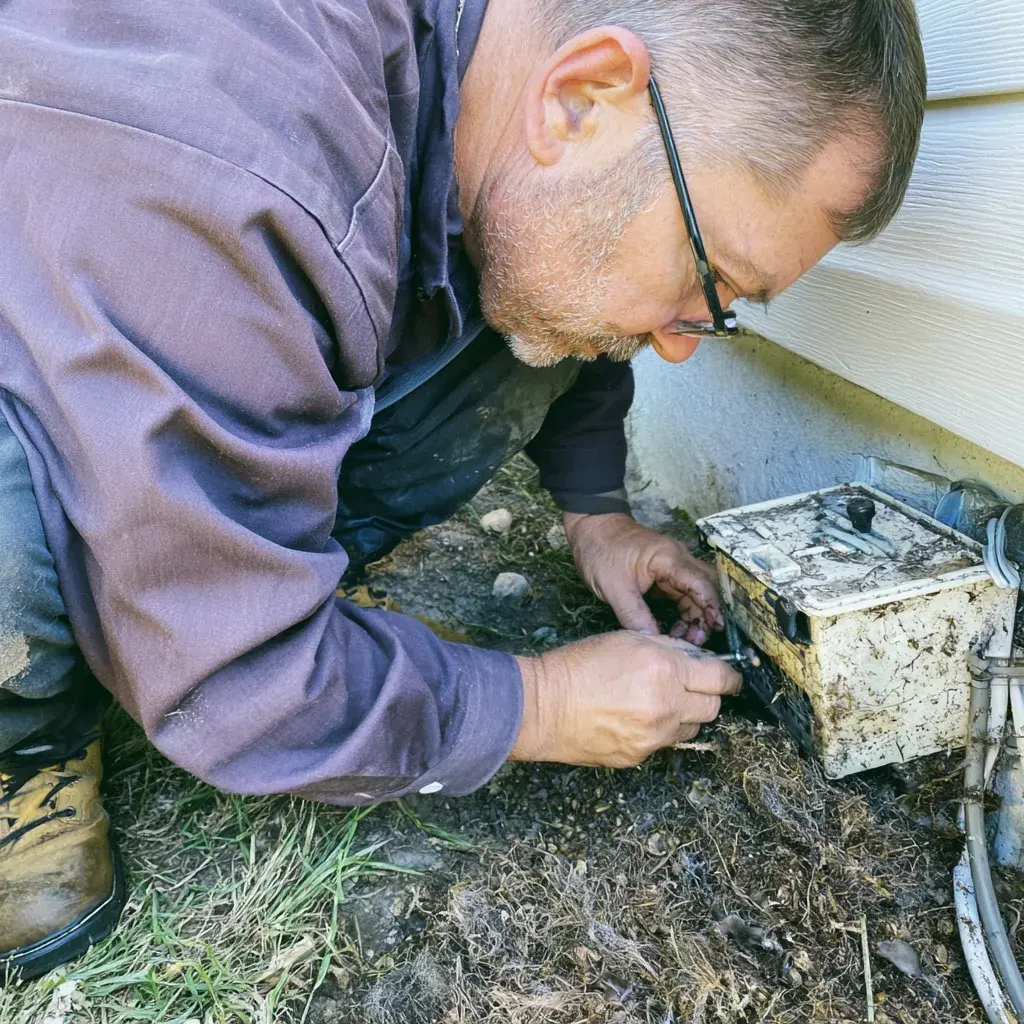
Different Termites Live in Different Places
A High Point address along US Highway 158 does not establish termite activity or station needs. The provider should inspect the individual structure, its accessible perimeter, and moisture conditions before recommending placement.
The Big Chair and Jamestown are useful local reference points, not evidence of termite activity. High Point homes and small businesses need property-specific inspection findings to guide station placement and monitoring.
From High Point through Guilford, property owners seek information about termite treatment and inspections. Coverage depends on the address, so the pros we connect you with should verify the location before an owner relies on service availability.
What Damaged Wood Reveals
- Placement
- Stations are placed around an inspected structure where the provider can return to check them.
- Bait Action
- Cracked or loose covers can signal that a station needs attention from the licensed pros we connect you with.
- Inspection
- Keep station locations accessible and tell the provider if landscaping or construction blocks them.
- Service Plan
- The written agreement should explain monitoring, cartridge attention, and conditions for follow-up.
- Maintenance
- Trelona ATBS stations hold bait termites can find and feed on; ask how placement near Volunteer Park or Stone Park will be handled and checked.
- Treatment Plan
- Seasonal soil conditions can affect termite activity and how readily stations are encountered. Monitoring should follow the product directions and service agreement, with the provider checking stations and explaining any changes to bait or follow-up needs.
- Inspection
- an estimated $200–$350
Inspection for Similar Insects
Generic termite bait stations can look similar because both use ground-level housings around a structure. The product label and service records identify whether the system is Trelona ATBS and what bait and monitoring plan apply. Check the station label and product name. Trelona ATBS stations are part of a named BASF termite bait system; a generic station may use a different bait and service plan. Ask the provider to identify the installed system and show how it is recorded in the agreement.
Keeping Bait Stations Accessible for Monitoring
The provider first inspects accessible areas for activity, damage, moisture, and station access. If Trelona ATBS fits the findings, the provider maps placement around the structure, installs stations according to product directions, and records their locations for later checks.
At monitoring visits, the provider opens and checks stations as directed, assesses activity and bait condition, and records findings. If a cartridge needs attention or access has changed, the provider explains the next step and updates the service record under the written agreement.
When signs are uncertain, an inspection may be the useful first visit; it can document what was seen and whether treatment is recommended. A continuing plan is for a stated monitoring need. Ask whether the inspection ends the work or starts a separate treatment or follow-up agreement.
INSPECTING FOR TERMITE SIGNS VERSUS TRACKING ACTIVITY OVER TIME
| Property Factors |
Treatment Fit |
|---|
| One small sign, checked early | Property-specific treatment plan |
| Renewed termite evidence after service | Periodic monitoring |
| Termite clues in separate parts of the structure | Work completed; monitoring choices covered |
Inspection RecordsKeep a copy of the agreement with your service records for reference during follow-up. Ask the provider for the written scope, including station monitoring, follow-up conditions, and any retreatment terms. The agreement should identify what the service covers and how findings are communicated.
How Termites Weaken Wood Structures
If termite activity continues, wood and other cellulose materials can be damaged, including framing hidden behind finished walls. Bait monitoring does not repair affected wood. An inspection can document visible damage and areas needing further evaluation; repair planning should follow that assessment, with treatment scope clarified separately.
Moisture and Wood Conditions to Address
A homeowner can note station locations, keep them visible, and report landscaping or construction that blocks access. Read any service instructions the provider leaves. Do not open stations, handle bait, relocate equipment, or apply another product around it; ask the provider to inspect or service the system and explain any needed changes.
Safe Steps Before an Inspection
Trelona bait stations are intended for placement and service under the product label. Keep children and pets away while a provider is servicing a station, and do not open, move, or handle bait. If a station is damaged or its contents are exposed, leave the area undisturbed and contact the provider for instructions. Ask how the agreement handles station damage and service visits.
Ask about termite control pricing
Start with an inspection, then ask for a written quote that explains the recommended termite work and how the property’s conditions affect cost.The guide range describes typical treatment work; inspection findings may call for a different scope, and monitoring, follow-up visits, or wood repairs may be separate. For a High Point home, ask how the findings and included work affect the quote. Mention any signs noticed near High Point Museum, and confirm visit charges and the written scope with the pros we connect you with.See how property conditions shape treatment scope in pricing guide when planning next steps.