Borate Wood Protection in High Point
This season, start with reachable wood near High Point Museum or US Highway 158, then review the label, coverage, and moisture.
Borate wood treatment leaves borate in accessible wood. Termites that feed on treated material take it in, helping protect that wood. In High Point, check the product label and the wood’s exposure to moisture before discussing use with a qualified professional.
Start With the Product Label
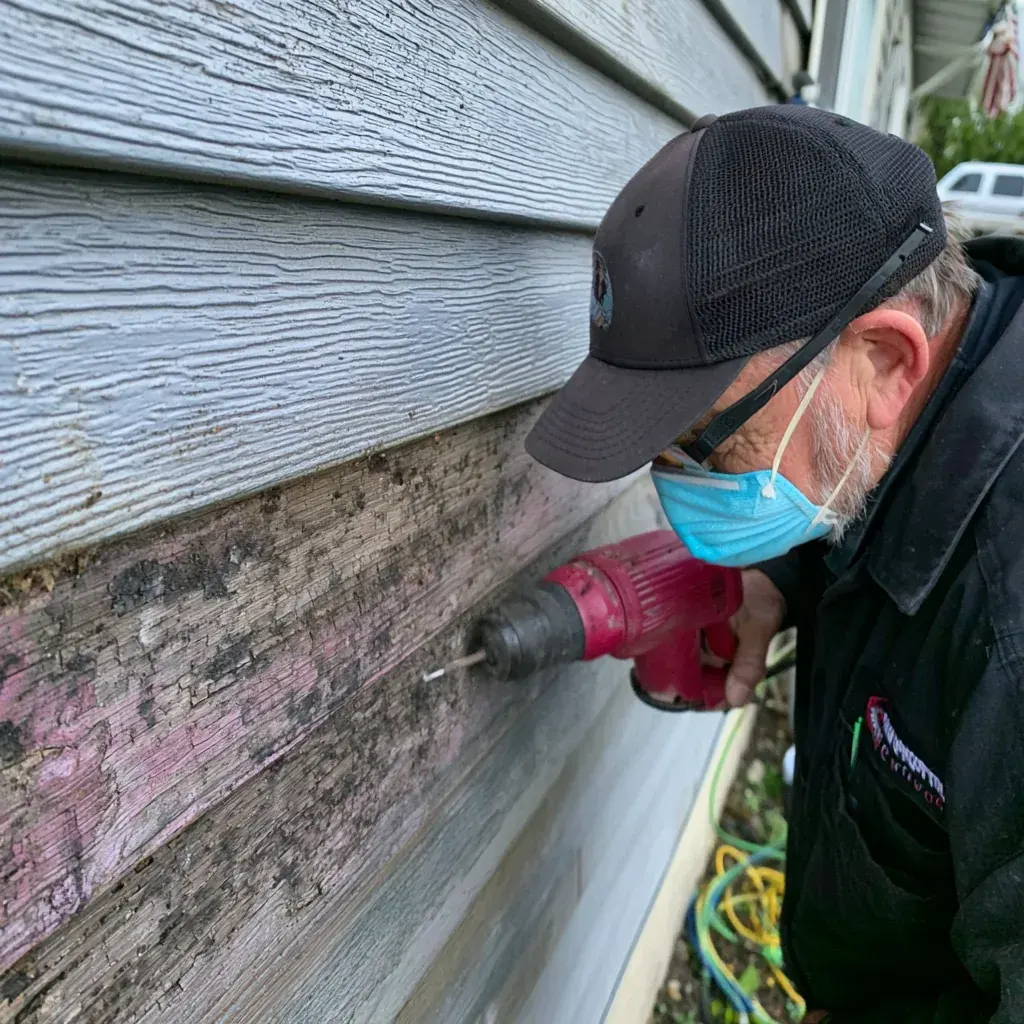
Borate wood treatment puts a borate compound into or onto accessible wood. When termites feed on treated wood, they take in the compound, which can interfere with their ability to use that food. For a High Point homeowner, the useful first check is whether the wood surface can be reached and treated as the product label directs. Borate can protect treated wood; it does not make every hidden or untreated part of a building protected.
Start with wood that can be seen and reached, such as exposed framing in an accessible area. A homeowner near Jamestown Park might note which surfaces are open and which are covered by finishes or stored items. Borate needs suitable access and coverage to protect the wood it reaches. A treated patch should not be assumed to protect adjoining boards or concealed framing.
In the cooler part of the year, before the North Carolina subterranean termite swarming period, an owner can note accessible wood and any signs that merit inspection. The season alone does not show whether borate is appropriate. In High Point, a small commercial property may have exposed structural wood in one room and inaccessible framing elsewhere; those surfaces present different coverage limits.
Identify Accessible Wood
As spring arrives, discarded wings or damaged wood can prompt questions, but they do not identify which treatment fits. Termite activity can continue behind finished surfaces where it is not easy to see. For a High Point property, that context matters because borate acts in treated wood. It does not establish that termites elsewhere in a structure will contact the treated surface.
Before discussing a product, check its label for permitted uses, preparation, application, and moisture directions. Some borate products, including Bora-Care, have product-specific directions; the name alone does not tell an owner whether a particular surface is suitable. A property near Koonce City Lake still needs its own assessment. Do not apply a product where its label does not allow it.
Coverage is the practical limit. Dust, coatings, tight gaps, or other barriers can keep a treatment from reaching the wood as intended, while moisture conditions can affect suitability under the label. A High Point homeowner can identify these conditions before speaking with a qualified professional. A surface that looks exposed from one angle may still have blocked edges or faces that are not accessible.
Check Coverage and Moisture
During the warmer months, keep the question focused on where termites could feed on treated wood and whether that wood was covered as directed. A borate application to accessible lumber is not the same as a treated zone in soil. For a small business near the Greensboro Arboretum, as in a High Point home, the building's construction and the termite issue determine what the treatment can reasonably address.
Borate protection is tied to the wood that receives it. It should not be described as a whole-structure barrier or as a substitute for every other termite method. Subterranean termites may enter through concealed routes, and drywood termites can live within wood without soil contact; those differences affect treatment choices. A High Point inspection helps put the accessible wood in context before anyone draws conclusions.
Know Where Borate Has Limits
As the swarming period extends into late summer and early fall, a homeowner may see wings or notice a change in wood. Record where the sign appeared and avoid disturbing suspected activity before an inspection. In High Point, the finding can help a professional decide whether treated wood is relevant or whether the issue calls for another approach. Borate only addresses termites that contact and feed on adequately treated wood.
At the end of a seasonal check, compare the accessible surfaces with the product label and note areas that remain hidden, damp, or untreated. Ask a qualified professional how those limits affect expected wood protection and what the written scope covers. For a High Point owner, the next step is a product-specific discussion based on the building, not an assumption that one application resolves every termite concern.
Before Considering Borate
- Identify exposed wood and surfaces blocked by finishes or stored items; borate protection depends on reaching suitable wood with the labeled application.
- Read the product label for permitted surfaces, preparation, coverage, and moisture directions before discussing a borate product such as Bora-Care.
- Note suspected activity without disturbing it, and ask how untreated or concealed wood affects the limits of the proposed protection.
- For Bora-Care or another borate product, check the label for permitted surfaces, preparation, and exposure limits before considering use.
- Mark reachable, bare wood before considering treatment; finished surfaces or concealed framing may prevent a borate product from reaching the wood.
- Check whether target wood will stay dry and whether each surface can be covered; missed or repeatedly wet areas can affect suitability.
Termite Answers
What does borate do to termites feeding on treated wood?
During a seasonal check, a High Point homeowner can note bare framing or trim and whether it is damp or weather-exposed. Borate wood treatment can protect only the accessible wood the product reaches; coverage and moisture conditions matter. A small shop near US Highway 158 or a home along Highway 64 may have different exposed surfaces. Check the Bora-Care label and ask a qualified professional to assess suitability. Borate does not reach concealed wood or create a soil barrier.
Can borate protect wood covered by paint or another finish?
No. Borate applied to accessible wood does not treat soil or guarantee protection for concealed, untreated surfaces. Subterranean termites may reach a structure by hidden routes, while drywood termites can live inside wood. The treatment choice depends on the termite issue and the property. Have accessible wood and the suspected activity assessed before treating.
How can moisture affect borate treatment on accessible wood?
Moisture can affect whether a surface is suitable for treatment, so follow the product label's directions for conditions and preparation. Do not assume a damp or exposed surface will retain protection as intended. Note the location and condition of the wood, then ask a qualified professional how those details affect coverage and the proposed scope.
Review the wood and label first
Ask the pros we connect you with to review the product label, reachable wood, and moisture exposure at a High Point property near Highway 64.
Call (336) 360-9719