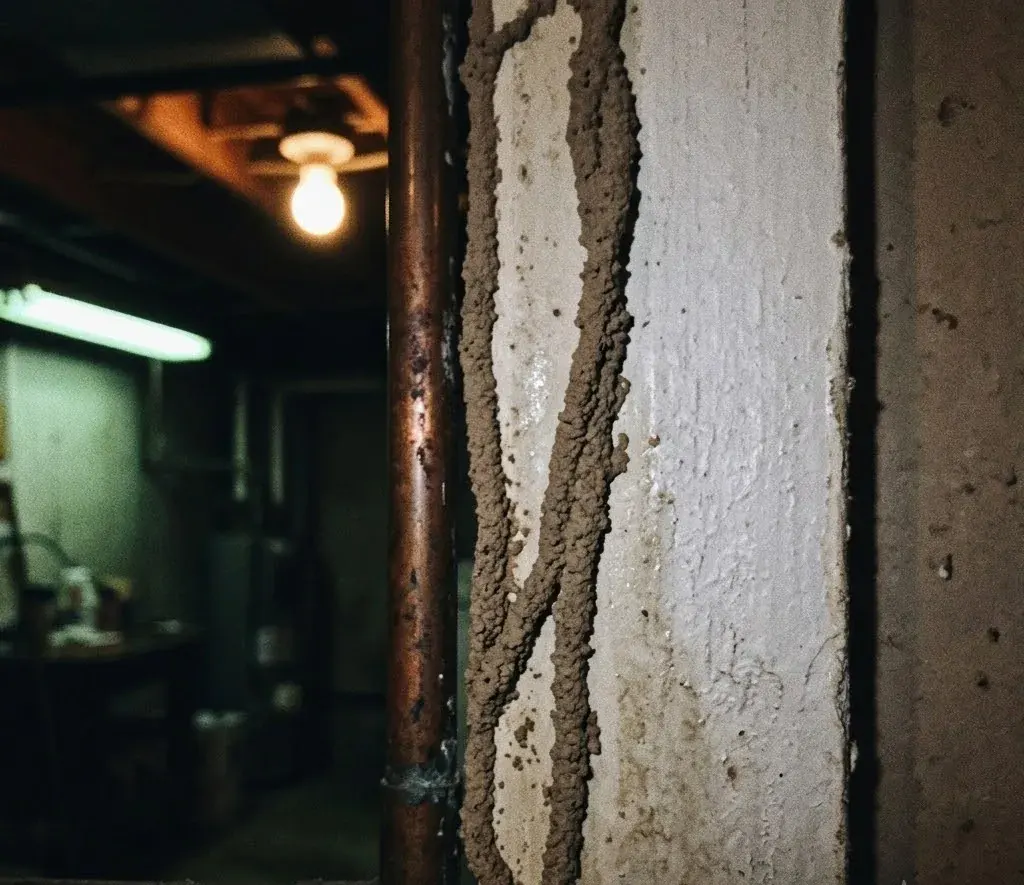
Signs of Termite Damage
Hollow wood, bubbling finishes, and soft spots underfoot can be clues to termite damage. Learn what to document in High Point before arranging an inspection.
Read article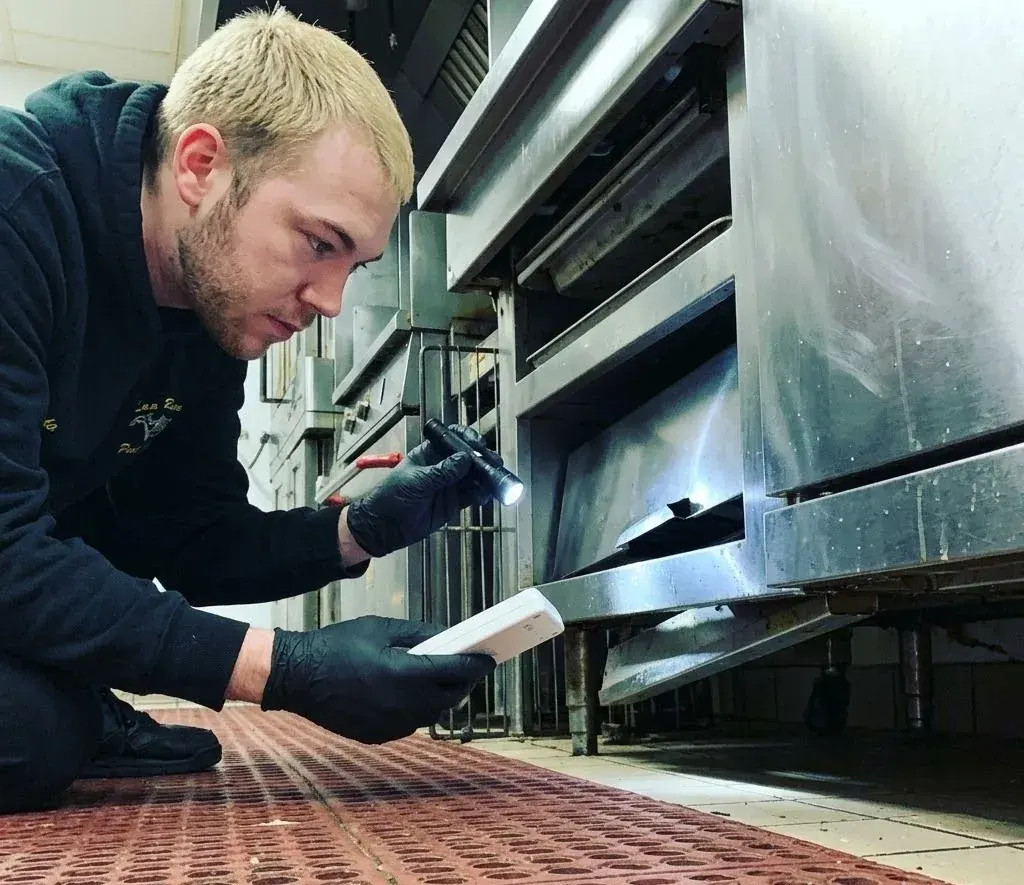
Routine station checks track bait use, service needs, and changing activity.
In High Point, a station lid can disappear under fresh mulch, leaves, or moved edging, leaving the owner unsure whether it is still reachable for service. Keep the area clear and do not open, shift, or dig around a station to check it. A homeowner can note the location and what changed, then ask the provider to inspect it. A station that cannot be found or reached can be missed during a visit, so access is part of keeping the monitoring record useful.
At a High Point property, the pro first matches each station to the service map, then checks access, condition, and signs of termite activity before recording any bait use. The visit can take longer if landscaping, stored materials, or a large property makes stations difficult to reach; the number and condition of stations and any needed replenishment also shape the work and its cost. The owner should receive notes showing what was checked, what changed, and whether follow-up was recommended.
In High Point, Termite Bait Monitoring starts with an inspection of activity, damage, and conducive conditions; the findings guide treatment for each home or small business across Colfax, Jamestown and Trinity before work begins.
Choose residential termite control for termite control at a home; owners responsible for shops, offices, or rental properties can turn to commercial termite control.
A station that is cracked, tilted, blocked, or missing needs attention before its readings can be relied on. In High Point, tell the provider where the station was last seen and whether yard work or storage may have covered it. Do not pull it from the ground or try to repair it. During a bait station inspection, the pro can locate and assess the unit, note whether it can still be serviced, and document any change to the station record.
A changed bait reading is information to track, not proof by itself that a building is infested or clear. The pro compares the current observation with earlier station notes, checks for activity as the system allows, and records whether bait needs replenishment. A homeowner near High Point Museum can ask for the notes to identify the station and explain the finding in plain terms. If activity or damage is observed elsewhere, request a separate inspection of those areas.
Mud tubes, discarded wings, or damaged wood may raise concern even when a station shows no change. In High Point, note the exact place and date the sign was noticed, then leave it undisturbed for the inspector when practical. Station service tracks conditions at the stations; it does not by itself establish what is happening inside walls or other concealed spaces. Ask the pro whether the observed sign needs a broader termite inspection and a written finding.
The pro reviews the station map and service notes, then confirms which locations remain reachable around the High Point property.
Each accessible station is checked for condition and signs of activity; blocked or damaged units are noted for follow-up.
The pro records observed bait use and replenishes it when the findings and service plan call for it.
The owner receives updated notes on stations checked, changes found, and any recommended inspection or treatment.
Termites can damage wood where a surface check cannot see it, while station observations only describe what was found at the stations. For a High Point homeowner, dated service notes make changes easier to discuss and can show when follow-up inspection is suggested. They also help an owner avoid treating an unchanged station as proof that every part of a structure is clear. Monitoring is a continuing record, not a guarantee against future activity.
Termite products must be handled and used according to their labels. A homeowner should not open a station to add material, pour a product into it, or apply a separate treatment around it. In High Point, the pro should explain what the service visit includes and record any product use or replenishment in the service notes. If the proposed work changes beyond monitoring, ask for the treatment scope and any applicable terms in writing before work proceeds.
A station log is useful when it identifies the property, the stations reached, their observed condition, and any recommended next action. If an owner keeps records for multiple properties, a High Point service note should identify its own address rather than rely on a map label near Greensboro Arboretum or Deep River. Ask the provider how missing or inaccessible stations are recorded and how the owner receives updated findings. Clear records help distinguish a monitoring visit from a treatment recommendation.
Before comparing termite bait monitoring estimates in High Point, ask whether inspection is billed separately; findings and property conditions shape the written treatment scope.
| Work Included | Areas Addressed | Cost Factors |
|---|---|---|
| Focused Review | Focused inspection with treatment limited to the active area | an estimated $200–$350 |
| Targeted Treatment | Findings-led inspection with one method applied to the scoped area | an estimated $230–$455 |
| Full Property Care | Inspection and one selected method for the area findings support | an estimated $200–$350 |
| Treatment & Repair | Scoped inspection and treatment for the location described in the quote | an estimated $480–$1,400 |
Access and preparation can add work to a treatment plan, especially when stored items or finished surfaces limit entry to affected areas. Ask what preparation is included and whether a longer-lasting option changes the scope. The full pricing guide explains how these details can influence an estimate.
The provider follows the service plan and product directions, checks each station that can be reached, and records its condition and any observed activity. The visit may include noting whether bait needs replenishment or whether access has been blocked. In High Point, ask for a record that identifies the stations checked and flags any that could not be inspected, so the next visit can account for them.
The provider should record the observation and compare it with prior notes; a change in bait alone does not establish the extent or location of termite activity in the structure. Ask what the finding means, whether replenishment is needed, and whether a separate inspection is recommended. Keep the station accessible and let the pro handle any adjustment or material replacement.
Replenishment depends on what the pro observes and the service plan for the installed system. The provider should record what was added or replaced and why, following the product label. An owner should not open a station or add bait independently; ask the pro to explain the finding and include it in the visit record.
No recorded station activity does not prove that a structure is free of termites. Stations provide observations at their locations, while an inspection can assess visible signs, damage, and conditions elsewhere on the property. Moisture, wood-to-soil contact, and hidden entry points can make some areas more vulnerable to termite activity.
Leave a station in place and keep people, pets, and yard equipment away from it until the provider gives direction. Moving or opening it can interfere with monitoring and may expose its contents. Tell the pro where it is and what happened; the pro can check its condition, document the change, and decide whether service is needed.
Monitoring means checking stations and recording observations over time. Treatment is work intended to address termite activity, and its method depends on inspection findings and property conditions. If a monitoring visit leads to a treatment recommendation, ask for the reason, proposed scope, and any separate agreement in writing before deciding.
Activity found, damage, site conditions, and treatment choice can affect a termite bait monitoring estimate of $200–$350 for this work. Ask the pros we connect you with to explain the findings and written scope.
Use inspection findings to understand what needs attention and which next steps may fit.
Hollow wood, bubbling finishes, and soft spots underfoot can be clues to termite damage. Learn what to document in High Point before arranging an inspection.
Read article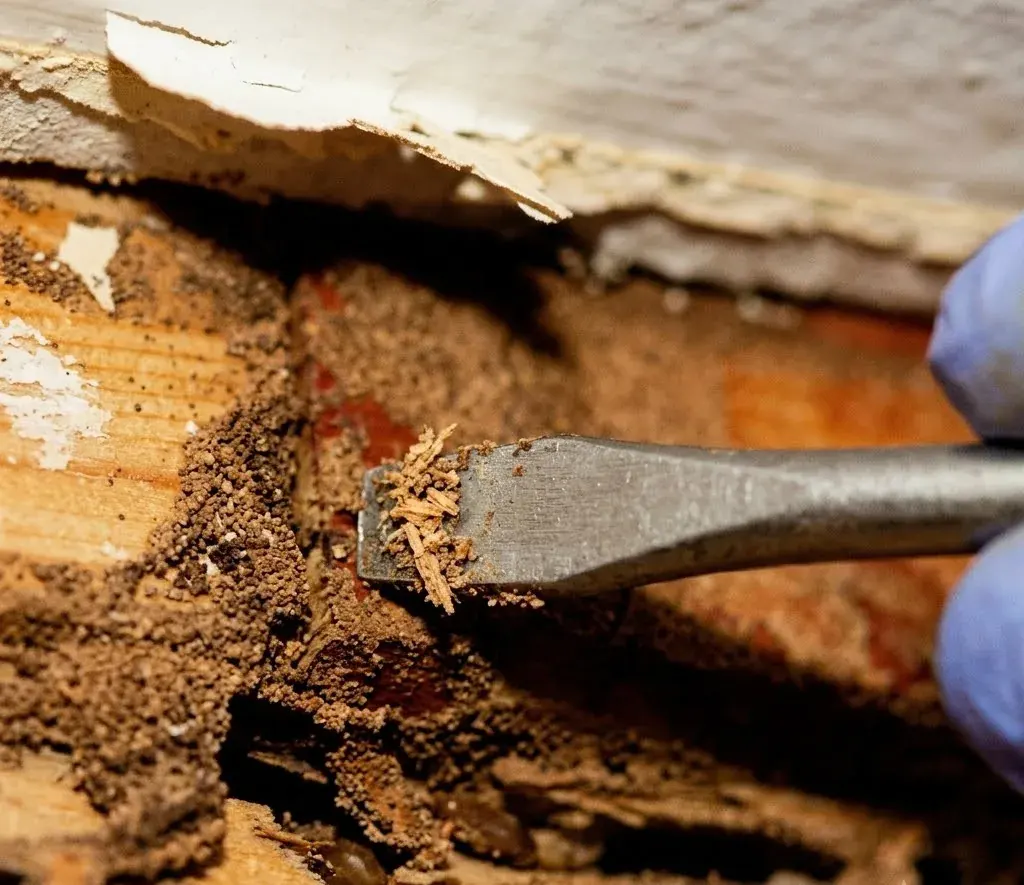
Pellets or dust alone do not confirm termites. Learn what termite frass can look like, what to photograph, and how to keep a sample from a High Point home near High Point Museum or business along US Highway 158.
Read article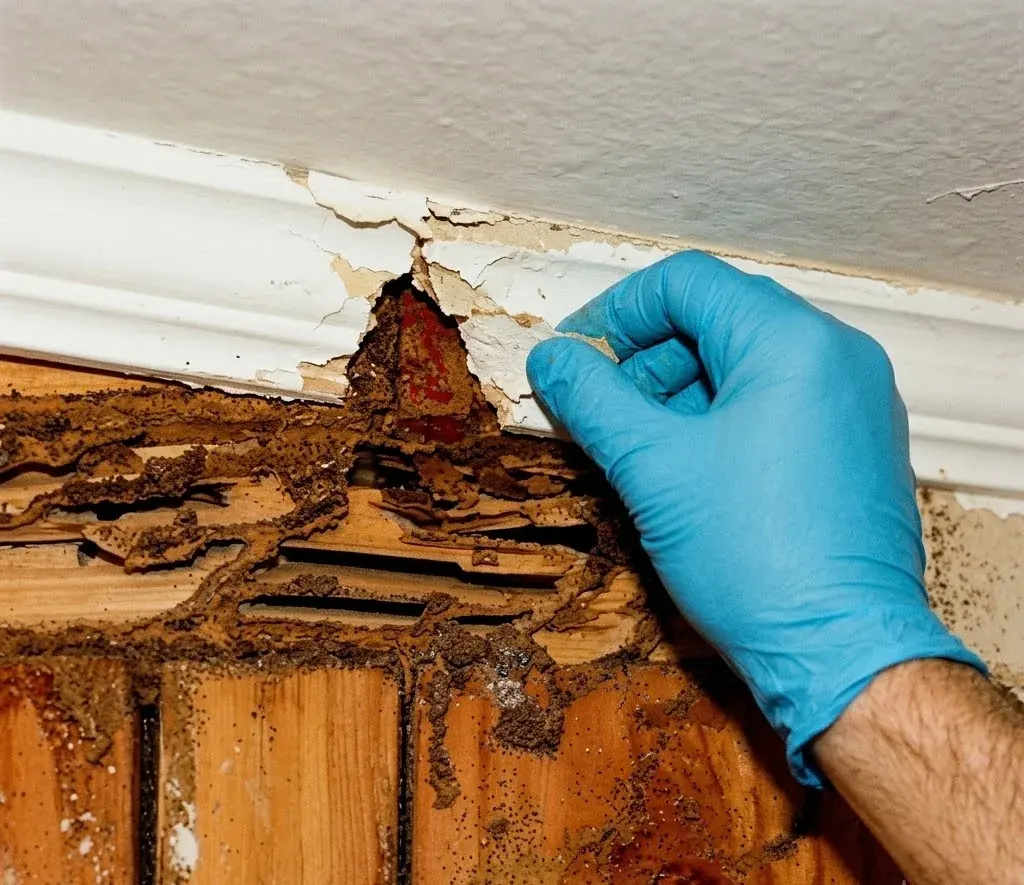
Mud tubes on a foundation can signal subterranean termite activity, but they do not confirm it. Learn why to leave them intact, what to photograph, and what inspection can clarify.
Read articleFor a property in High Point, describe the location of any tubes, discarded wings, or damaged wood and ask whether an inspection can assess them. The pros we connect you with can clarify availability, what the visit covers, and any charge for the inspection. Request written findings and a scope that identifies the treatment areas and method. Ask whether bait station monitoring, later visits, or retreatment are included or handled under separate terms. If the property is near Highway 64, share the address when confirming whether service reaches it.
Call (336) 360-9719