Service availability varies — ask the provider. · (336) 360-9719
Termites on Decks and Porches in High Point, NC
Deck and Porch Assessment

Deck and Porch Termite Checks in High Point

Warm, damp weather can keep shaded porch joints and deck framing moist after rain. In High Point, note whether water lingers around the ledger or posts; seasonal conditions can support activity, but the inspection must assess the property itself.

WOOD DAMAGE

Request an assessment of the deck or porch and its attachment to the home. The pros we connect you with can evaluate the ledger and load-bearing parts, explain whether treatment for exposed wood fits their findings, and outline repair or prevention planning. The licensed pros we connect you with can also check for soft wood or gaps around the connection.

WOOD DAMAGE

Changes in Exposed Wood

Many owners contact a pest professional after something unexpected appears on wood or near the home’s structure.

A narrow mud line follows the deck ledger

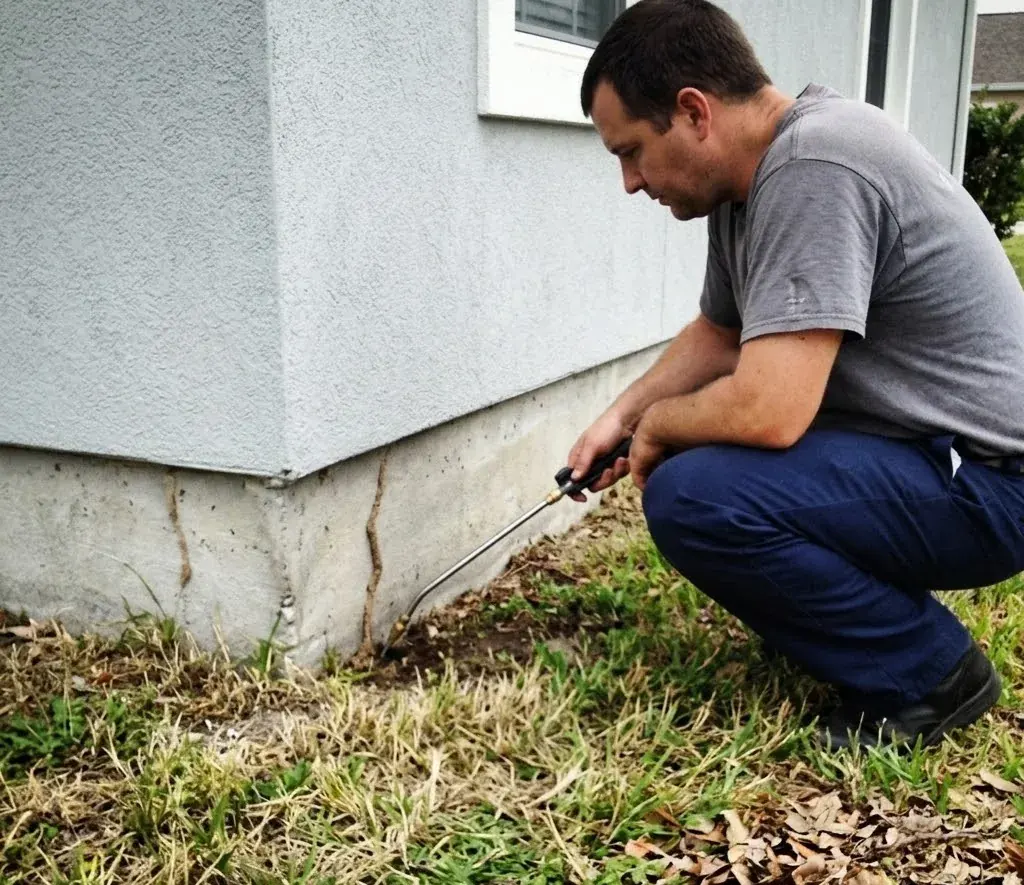
A narrow mud line on a porch support or deck framing can be a route used by subterranean termites. It does not confirm that termites are still active. Note where the tube begins and ends, leave it undisturbed, and ask the inspector to check nearby framing and the deck’s connection to the home.

Shed wings collect beside the porch light

Small piles of shed wings near a porch light or doorway may mean swarmers were present. After swarmers land, they shed their wings before pairing off to begin a new colony. Record the location and date, then ask the inspector to check nearby wood and the attached framing for other evidence.

Deck boards sound hollow when tapped

A deck board that sounds hollow when lightly tapped may have internal damage, but age, moisture, or decay can also change its sound. Do not rely on tapping to judge whether a support is safe. Point out the board and ask for the joists and nearby load-bearing connections to be assessed.

A porch post has blistered, uneven paint

Blistered paint or a rippled finish on porch trim can reflect moisture or concealed wood damage; the appearance alone cannot identify termites. Photograph the spot and note whether it stays damp after rain. Ask the inspector to examine the surface and accessible wood behind or beside it.

Rail wood feels soft around small holes

Dry, sand-like pellets beneath a porch board can be associated with drywood termites, which live in wood without soil contact. Their presence is different from a mud tube, and the right assessment depends on the affected wood. Save a photo and point out the exact spot during inspection.

Concealed Gaps Can Hide Entry Routes

High Point’s warm, wet periods can leave shaded deck joints damp after rain. Near Koonce City Lake, as at any address, the useful question is whether water lingers at the actual porch or deck; the nearby landmark does not establish termite activity.

A deck ledger hidden behind trim can be hard to inspect from the yard. For a High Point property, identifying the address or a nearby reference such as High Point Museum or GTCC Jamestown Campus helps describe where the assessment is needed; the framing itself determines what it finds.

Calls about termite control come from across High Point and Guilford, for both residential properties and small commercial spaces. Service reach can vary by location; give the pros we connect you with the exact address to confirm whether it is covered.

Clues Near Wood and Moisture

Attachment
A deck ledger joins the deck to the house and may be partly concealed by trim.
Structure
Posts, beams, stairs, and railings can show different signs and need separate attention.
Wood
Moisture near wood can support termite activity; note where water collects or stays.
Treatment
Subterranean termites may reach structures through concealed wood-to-soil contact.
Follow-up
An inspector can also note visible mud tubes or wood damage as signs of termite activity.
Warning Signs
Warm, damp weather can keep shaded porch joints and deck framing moist after rain. In High Point, note whether water lingers around the ledger or posts; seasonal conditions can support activity, but the inspection must assess the property itself.
Follow-Up
an estimated $75–$250

Winged Insects Near Windows

Wood rot can soften porch boards and trim, much like termite damage can weaken wood. Moisture may contribute to rot, while termite signs require a separate inspection to assess activity and affected areas. Wood rot often feels soft or crumbles at the surface, while termite evidence may include tubes or galleries inside the wood. Because the signs can overlap, an inspector should assess the affected area and the nearby deck connections.

How Inspection Findings Shape Treatment

In High Point, the pros we connect you with first trace the deck ledger, posts, joists, and stairs back to the house, then check fasteners and load-bearing members for movement or loss of strength. They assess exposed wood and choose a labeled treatment suited to their findings, then document repair and prevention needs. The same assessment applies near Deep River.

After agreeing on a written scope, the pro applies the selected treatment according to its label and explains any monitoring or access needs. The inspection record should identify areas that could not be checked. Structural evaluation and carpentry may require separate work, so the owner can plan those steps from the findings.

A treatment visit can complete a specified application, but that alone does not establish future protection. Consider ongoing cover only when the written plan explains what will be monitored, how often stations or other measures will be checked, and what would prompt further work.

PROPERTY ASSESSMENT COMPARED WITH CONTINUED TERMITE CHECKS
How It Works Property-Specific Methods
One small sign, checked earlyProperty-specific treatment plan
Renewed termite evidence after servicePeriodic monitoring
Termite clues in separate parts of the structureWork completed; monitoring choices covered

Termite Signs a Homeowner Can Document

From a safe spot, photograph the sign and note its location, especially whether it is near the deck’s attachment or a support. Keep people off any loose or sagging section. Do not scrape tubes, pull apart framing, or apply a pesticide before the inspection; those steps can obscure what was found.

Termite Damage and Structural Safety

Termites are mainly a concern for the wood that supports a deck or porch. If steps shift, boards sag, or a railing loosens, keep people off the affected section and ask for an assessment before using it. A photo can help record what changed, but it cannot show whether hidden framing remains sound.

What shapes termite treatment costs?

Have the property inspected, then request a written estimate based on the findings, treatment approach, and work included in the proposed scope.The guide range describes typical treatment work; inspection findings may call for a different scope, and monitoring, follow-up visits, or wood repairs may be separate. For a High Point home, ask how the findings and included work affect the quote. Mention any signs noticed near High Point Museum, and confirm visit charges and the written scope with the pros we connect you with.Compare inspection, treatment, and monitoring costs in the pricing guide; service details and next steps are on the Termite Inspection page.
TERMITE BASICS

Treatment Methods and Monitoring

Common Questions

Termite Answers

What should an inspector check on a deck with termite signs?

Ask for an inspection of the deck or porch and the point where it joins the house. The inspector should look at the ledger, posts, beams, and other load-bearing parts, then note signs of activity, visible damage, and moisture conditions. In High Point, those findings help determine whether treatment is appropriate and whether any part of the structure needs a separate evaluation.

Can exposed porch framing be treated for termites?

Exposed framing may be reachable for inspection, but the right treatment depends on where activity is found and how the deck is built. A provider can assess accessible boards, joints, and the attachment to the home, then explain whether a liquid product, bait system, or another method fits the findings. Ask for the treatment scope and any follow-up steps in writing.

Is a deck safe to use if boards feel loose?

If a board flexes, a railing post moves, or stairs feel unstable, keep people off that section until it has been assessed. Termites can affect wood that carries weight, and the visible surface may not show the full condition. Mark the area and tell the inspector what changed; the owner can then get the deck’s structural condition evaluated before planning use or work.

What should a deck termite inspection report include?

Request a written record of what was observed on the deck or porch, which areas were accessible, and whether signs suggest active termites. Ask the provider to separate treatment recommendations from any construction evaluation or repairs. If bait stations are proposed, clarify how they will be monitored and kept accessible. These details make follow-up easier to understand.

Arrange Termite Care

Dealing with termites on decks and porches right now?

Speak with the pros we connect you with about arranging an inspection. First, ask whether a visit charge applies and confirm it before booking. After the inspection, request a written record of the findings and proposed work; that gives the owner something clear to consider before agreeing to service.

Call (336) 360-9719
Check appointment timing, visit fees, availability, and written work details
Call (336) 360-9719 Schedule Online