Read the Evidence in Context
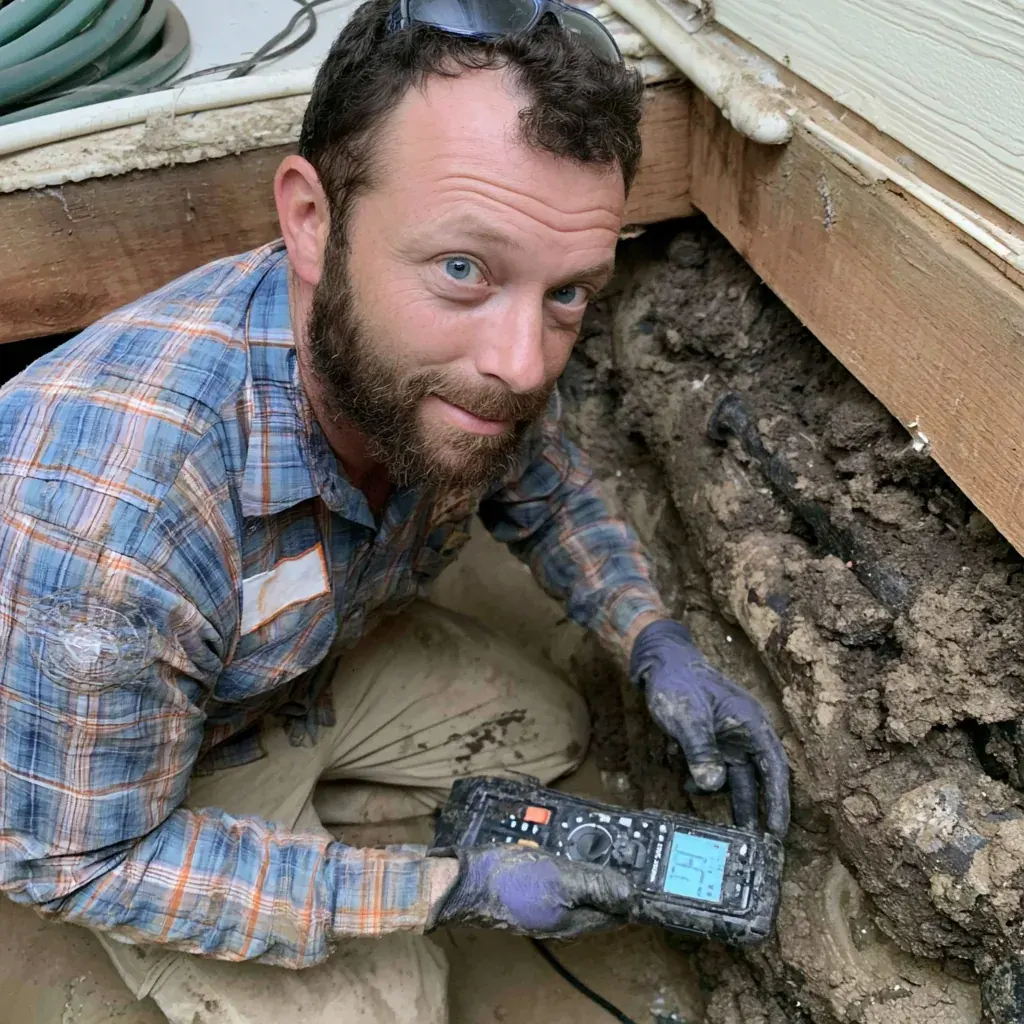
Damaged wood can prompt a termite question, but the surface alone may not reveal which group is involved. In High Point, compare the evidence with its setting: the material affected, nearby moisture, and whether signs are inside a piece of wood or along a route into the structure. That framing works for a home near High Point Museum, a business along US Highway 158, or a property near Deep River. Note what appeared and where; an inspection can help identify the termite group.
The key difference is habitat. Drywood termites infest wood and can remain inside it without soil contact. Subterranean termites depend on a soil nest and may reach a structure through hidden contact between soil and wood. A homeowner in High Point may not see the colony itself, so a clue at a sill, beam, or stored wood needs context. The location of evidence can suggest a group, but it does not confirm one by itself.
Compare Habitat and Moisture
Moisture is part of the comparison. Subterranean termites need moisture, and damp wood or wood touching soil can favor their activity. Drywood termites occupy wood itself, so the absence of an obvious damp area does not rule them out. In High Point, a homeowner who finds a wet spot beside damaged framing should record both observations. Moisture helps describe conditions around the evidence; it is not a stand-alone identification test.
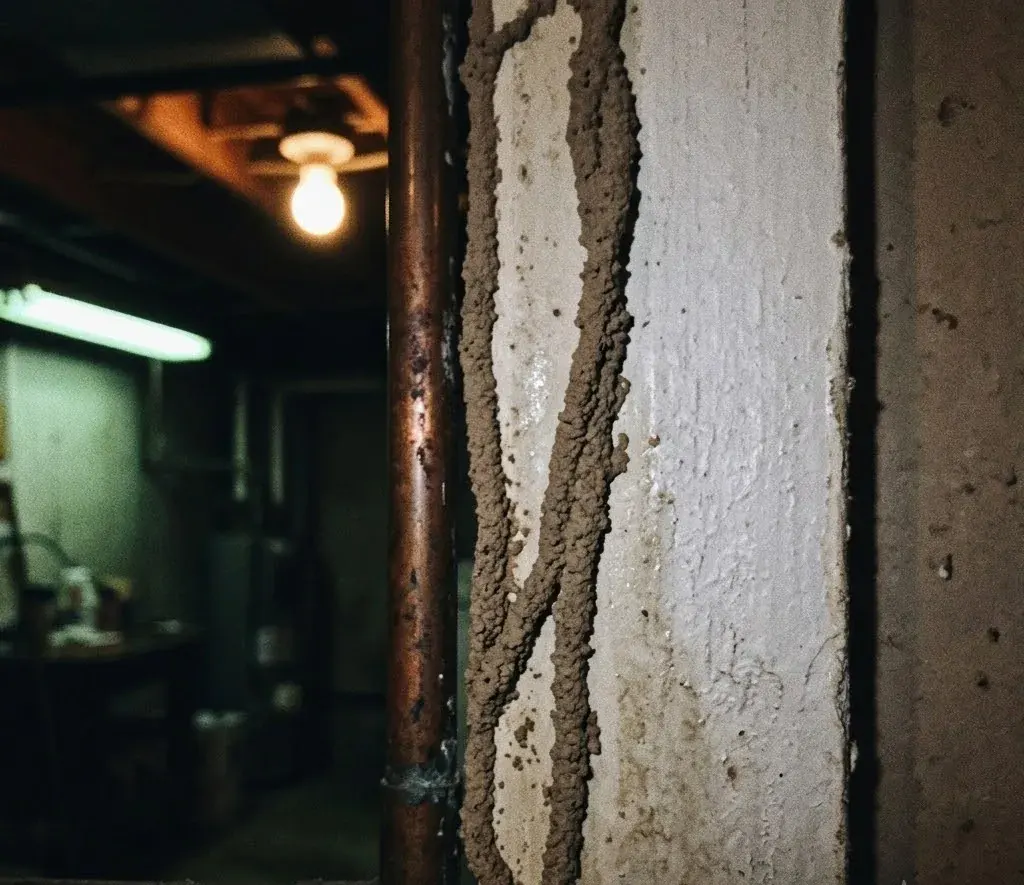
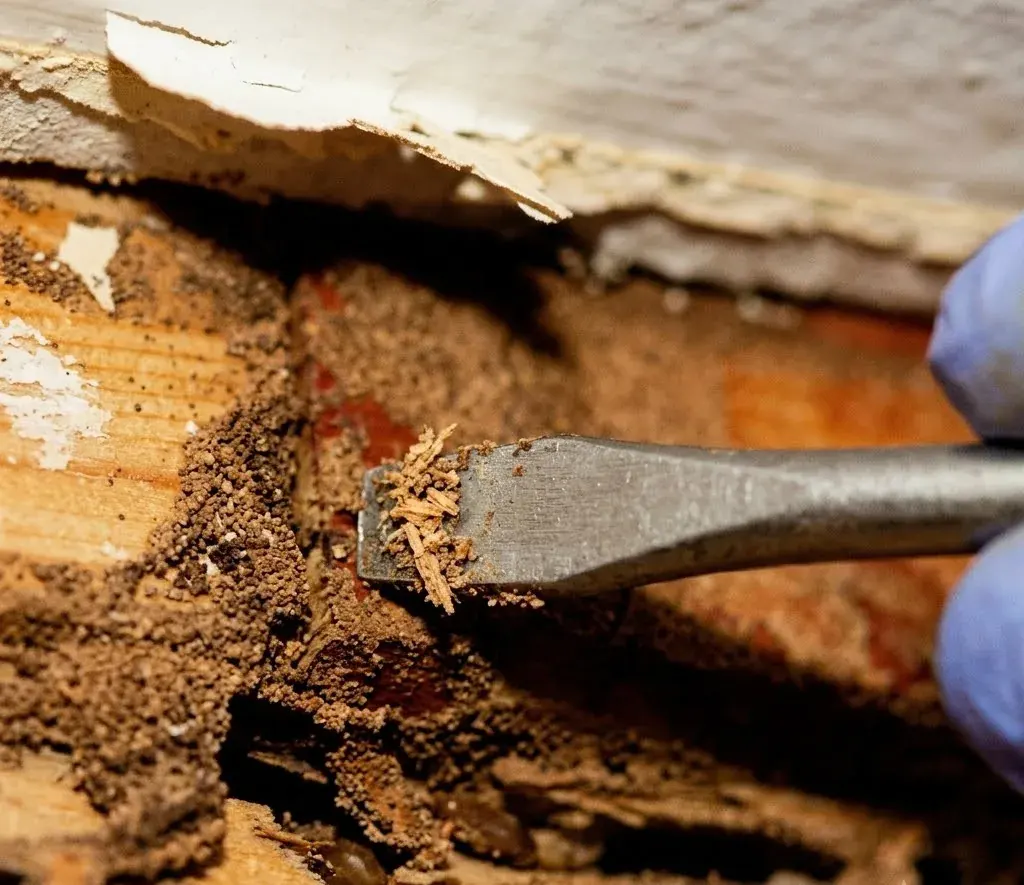
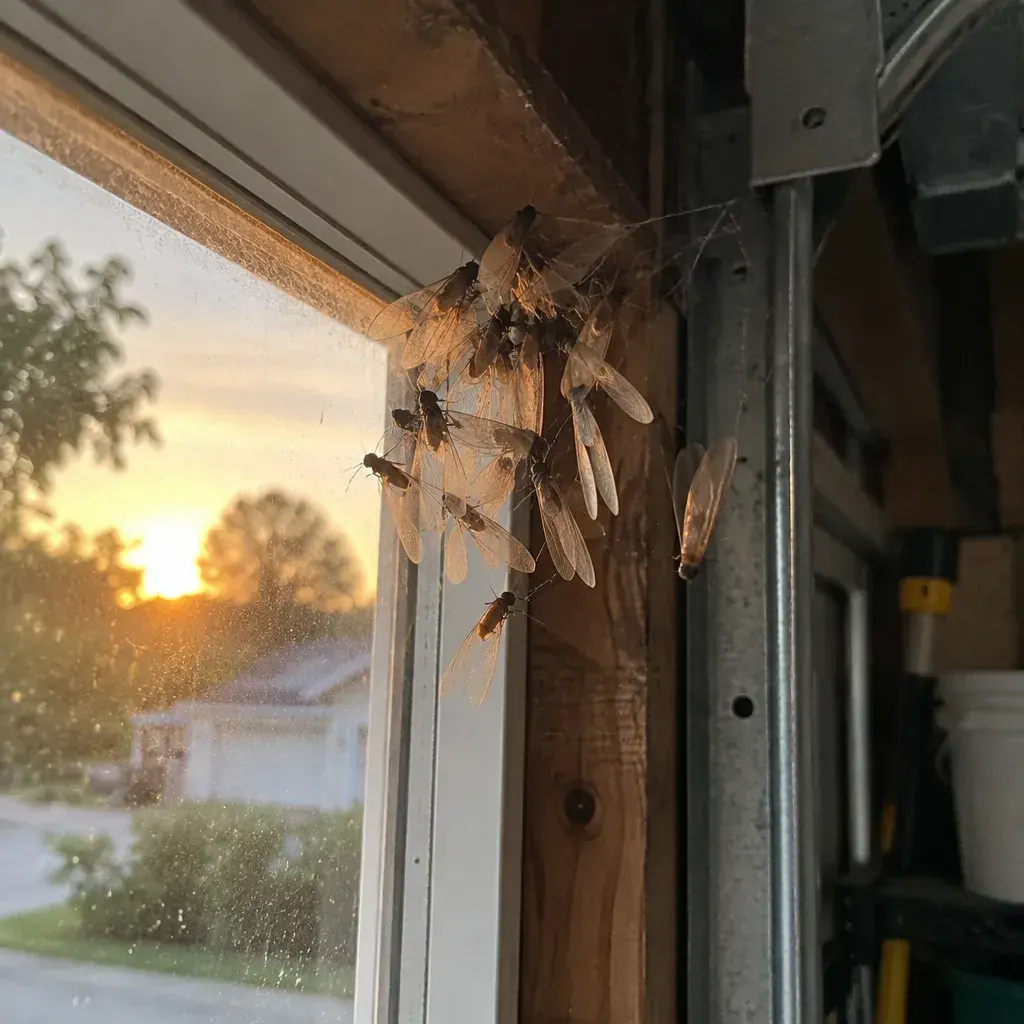
Look at the broader pattern rather than treating one mark as an answer. Mud tubes can point toward subterranean activity, while small pellets near infested wood may raise a drywood question; either clue needs assessment. Discarded wings and damaged wood can also indicate termite activity without naming the group. Drywood termites can live within wood, while subterranean colonies are associated with soil.
Consider Colony Location and Swarms
The colony’s likely location helps explain why clues differ. A subterranean colony is associated with soil, while drywood termites can form an infestation within the wood they occupy. That distinction matters when signs appear in a detached piece, a wall, or near the base of a structure. In High Point, evidence from one accessible board may not show what is happening in concealed areas, so avoid treating a single visible spot as the full picture.
A swarm can draw attention, but timing alone does not settle the identification. Subterranean termites in North Carolina may swarm from late winter into September or October, and a swarm sighting should be recorded with its location and the surrounding evidence. For a High Point homeowner, the useful note is whether wings appeared indoors or outdoors and what nearby wood or entry area looked like. The inspection can weigh those details with other signs.
How Identification Guides Treatment
The distinction affects treatment planning because the methods must fit the termite issue and the property. A plan for activity tied to soil may differ from one addressing termites established within wood; visible damage and access also matter. In High Point, the owner of a house and the manager of a small commercial property should ask which findings support the proposed approach and which areas it covers. The evidence should lead the recommendation, not a guess based on one clue.
In High Point, drywood vs subterranean termites differ in where each colony lives and how it reaches wood. Drywood termites stay inside wood without soil contact; pellets below a board may be a clue. Subterranean termites live in soil and can enter through concealed wood-to-soil contact; mud tubes on a foundation can point that way. At homes near US Highway 158 or shops along Highway 64, the same habitat clues matter. Moisture can favor subterranean activity. Because the types of termites and property conditions affect treatment choices, have the pros we connect you with assess the evidence before choosing a method.
Dealing with termite signs at your home?
Termite concerns can call for an inspection, treatment, or both; the right next step depends on the property and what the inspection finds. A homeowner or small business contact should ask what areas will be checked, what conditions may support activity, and which options fit the findings. For a home near the High Point Museum, a Greensboro College property, or a business in Greensboro, confirm whether the pros we connect you with serve that address, when a visit may be arranged, and whether a visit charge applies. Review written findings before deciding on follow-up.