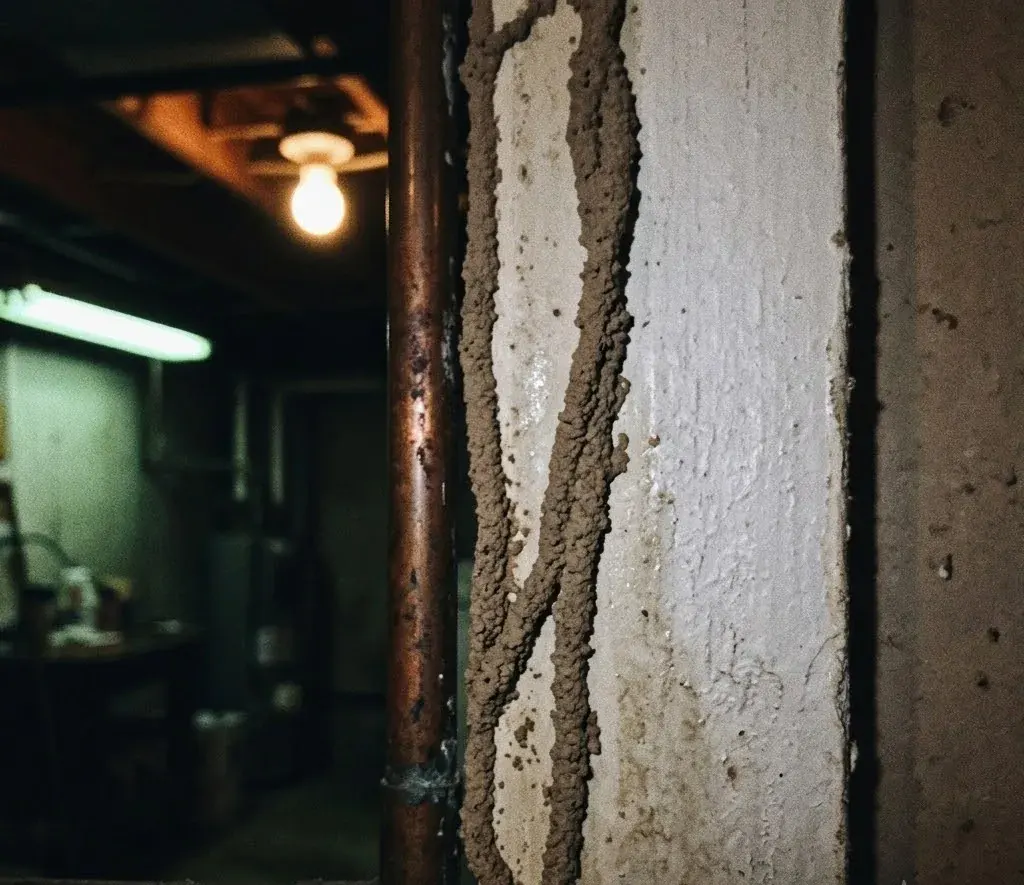
Signs of Termite Damage
Hollow wood, bubbling finishes, and soft spots underfoot can be clues to termite damage. Learn what to document in High Point before arranging an inspection.
Read article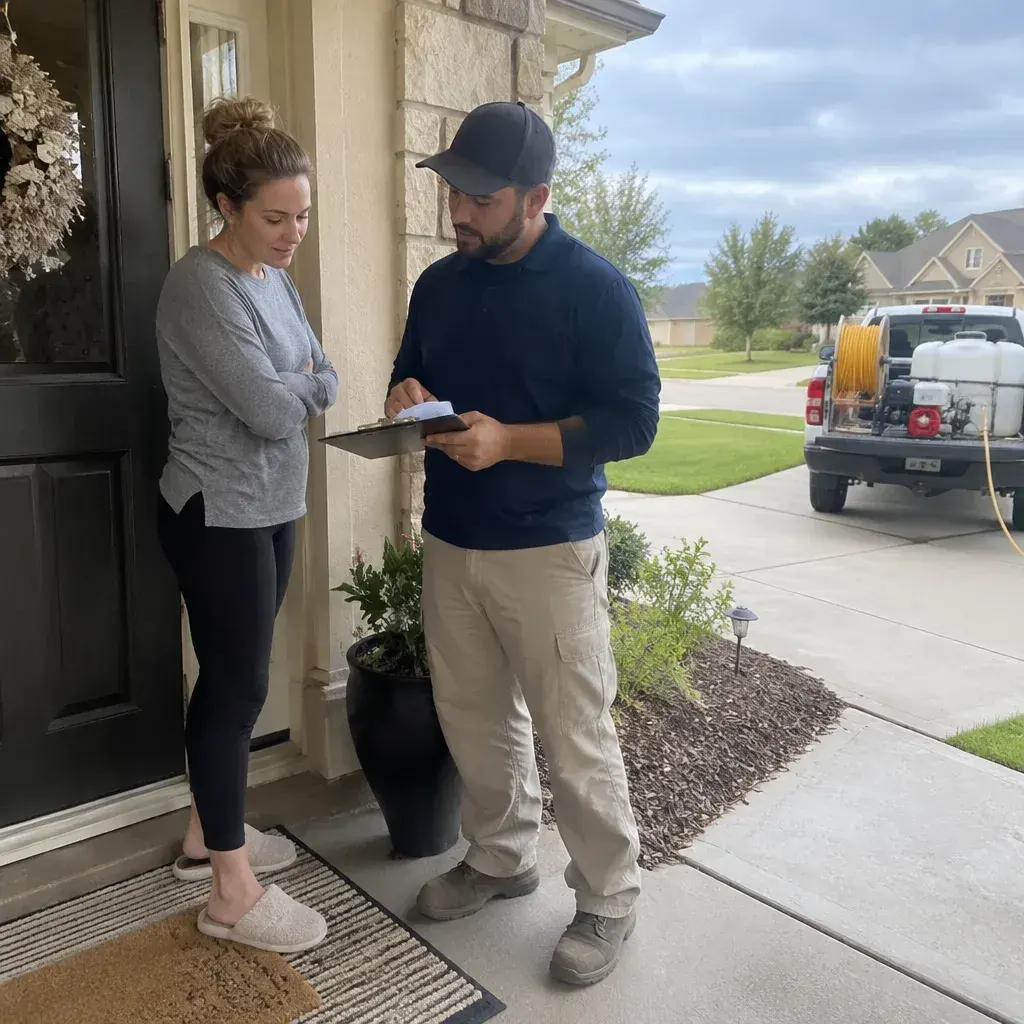
Inspection helps determine whether affected wood can be treated locally.
In High Point, a small patch of damaged trim or a few discarded wings can leave a homeowner unsure whether the problem is limited to one piece of wood. Drywood termites live within wood, so a localized treatment may fit when an inspection can identify the affected area and the wood is reachable. A sighting alone cannot show how far activity extends. Around places such as the High Point Museum, the useful first step is to note where signs appeared and have the area assessed before disturbing it.
The pros we connect you with can inspect the reported wood, look for activity and visible damage, then judge whether the affected area is accessible enough for termite spot treatment. In High Point, access may mean clearing stored items from a garage or arranging entry to a locked commercial room; the distance from US Highway 158 does not determine the treatment. Scope and time depend on what can be inspected, how much wood is involved, and whether concealed areas need further evaluation. Ask for the findings and proposed work in writing.
Termite activity may continue out of sight within wood, so an intact surface can hide damage and may not reveal whether a structure has been affected.
Choose residential termite control for termite control at a home; owners responsible for shops, offices, or rental properties can turn to commercial termite control.
A homeowner may notice damaged wood at a window frame, door trim, or exposed beam. That can be a reason to request an inspection, but the visible mark does not establish that drywood termites caused it or show the full extent. The inspector checks accessible wood for signs of activity and damage, then explains whether a specific area can be treated. Keep the location clear enough to examine, and avoid scraping or opening the wood before the visit.
Discarded wings near a sill or light can point to termite activity, though they do not identify the affected wood by themselves. Note the room and the spot where they appeared, then share that detail with the inspector. In a small commercial property near Highway 64, access to a storage room or covered display area can affect what is available to inspect. If the source cannot be located, a localized plan may not address the full concern.
A surface can look intact while damage continues inside concealed wood. An inspection can assess visible areas and identify where access is limited; it cannot confirm conditions inside every closed wall or covered member. If the reported signs are scattered or the affected area cannot be bounded, the pro may recommend broader evaluation before choosing a drywood termite treatment. A homeowner should ask which areas were inspected and which remain uncertain.
The inspector records where signs appeared and examines accessible wood for activity, damage, and conditions that may affect the inspection.
The pro maps reachable affected wood and notes concealed areas, so the proposed treatment has a clear boundary and stated limits.
The provider explains the labeled application method, preparation needs, access requirements, and written scope before work begins.
After treatment, the owner receives the findings and follow-up terms, including any monitoring instructions and areas needing further evaluation.
High Point homes and small businesses do not share one construction layout or access condition. Trim may be exposed in one room and enclosed behind finishes in another, changing whether a localized treatment can reach the affected wood. Near the Jamestown Campus, as elsewhere in the city, the useful question is what the inspection actually found and what it could not see. That distinction helps an owner judge the limits of a spot treatment.
A localized treatment may focus on active termite control or on prevention, depending on the work proposed. The owner should review what wood and locations the proposed localized termite treatment covers, how the product will be applied, and what follow-up is included. A clear scope matters near The Big Chair as elsewhere in High Point: the agreement should describe the property-specific work, not imply that uninspected or inaccessible areas were treated.
Ask what signs after treatment should prompt a follow-up. Before work, ask what rooms or surfaces need to be clear, what occupants should avoid during application, and when treated areas can be used again; the answer depends on the product and its directions. Keep any monitoring stations accessible and do not move them without checking with the provider. The written report should record observed activity, visible damage, and areas that may need attention.
At a property near Koonce City Lake, inspection findings and construction can affect Drywood Termite Spot Treatment scope; get included treatment areas and follow-up terms in writing.
| Work Included | Areas Addressed | Cost Factors |
|---|---|---|
| Site Check | Focused inspection with treatment limited to the active area | an estimated $300–$1,000 |
| Limited Treatment | Findings-led inspection with one method applied to the scoped area | an estimated $345–$1,300 |
| Broad Treatment | Inspection and one selected method for the area findings support | an estimated $300–$1,000 |
| Treatment & Restoration | Scoped inspection and treatment for the location described in the quote | an estimated $720–$4,000 |
The proposed method matters: liquid treatment, monitored bait stations, and other suitable approaches involve different work. A plan may also include ongoing monitoring or a longer-lasting treatment option. Compare the written scope with the full pricing guide to understand which choices affect the total.
Localized treatment may be appropriate when an inspection can identify the affected wood, reach it, and define a limited treatment area. If signs appear in several separated locations or the source is hidden, the pro may need to evaluate more of the structure before recommending a plan. Ask what evidence supports the proposed boundary and which areas remain uncertain. The answer depends on that property’s inspection, not its High Point ZIP code.
Not always. A treatment can only address the areas included in its scope, and concealed or inaccessible wood may leave uncertainty about the extent of activity. Ask the inspector to identify the wood that can be reached, explain any limits, and state whether further evaluation is needed. If the affected area cannot be located well enough to define the work, a spot plan may not be suitable.
A homeowner should not apply a household product or drill into suspected wood before an inspection. Disturbing the area can make it harder to assess what is present, and termite products carry label directions that govern their use. Mark the location, keep people and pets away from any product already applied, and tell the provider what was used. The pro can determine whether a labeled treatment is appropriate for the accessible wood.
A written proposal should identify the affected locations, the treatment method, preparation steps, and any access limits. It should also explain what monitoring or follow-up is included and any conditions for additional treatment. Keep the proposal with the report to compare planned work with documented findings. Read the scope before work begins, especially if some wood could not be inspected.
A localized treatment may not be enough when activity cannot be tied to a defined, reachable area or when signs suggest additional wood needs evaluation. The inspector can explain what was observed, what remains concealed, and why a broader assessment may be needed. That does not by itself confirm a larger infestation. Ask for the reasoning in the report before deciding on the next step.
Follow-up depends on the treatment plan and its written terms. Some plans include monitoring or a later check; others define a different scope. Review the agreement for station access, monitoring responsibilities, and conditions for follow-up treatment. If new signs appear, record their location and contact the provider rather than disturbing the wood or moving any monitoring equipment.
Activity found, damage, site conditions, and treatment choice can affect a drywood termite spot treatment estimate of $300–$1,000 for this work. Ask the pros we connect you with to explain the findings and written scope.
Use inspection findings to understand what needs attention and which next steps may fit.
Hollow wood, bubbling finishes, and soft spots underfoot can be clues to termite damage. Learn what to document in High Point before arranging an inspection.
Read article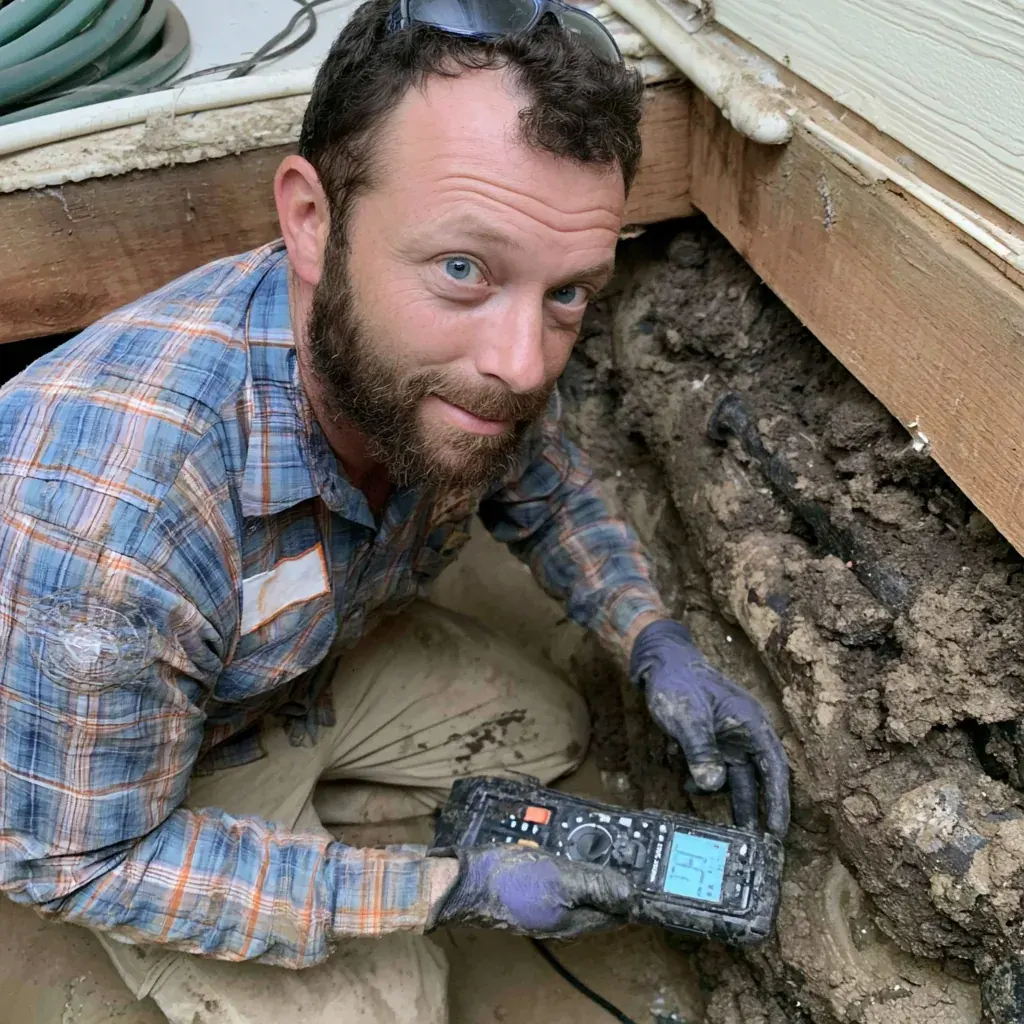
Learn how fresh or weathered evidence, repeat photos, and past records can help distinguish current termite activity from signs left by an older infestation in High Point.
Read article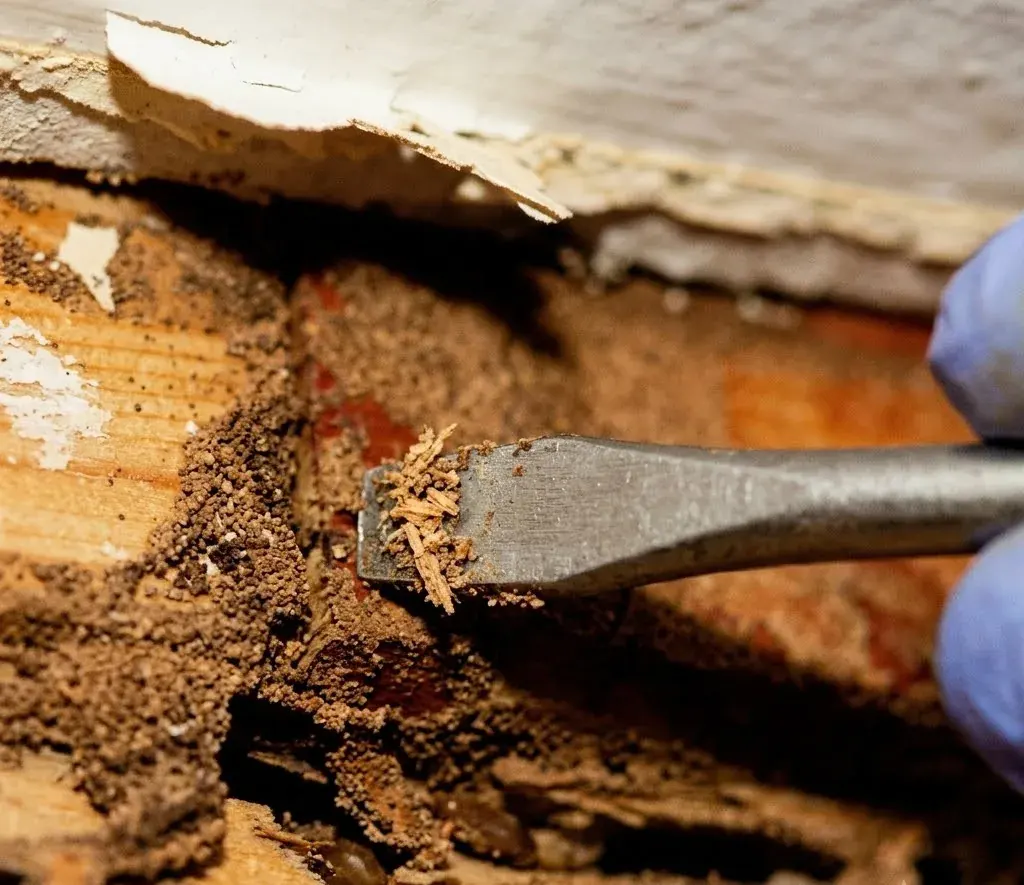
Pellets or dust alone do not confirm termites. Learn what termite frass can look like, what to photograph, and how to keep a sample from a High Point home near High Point Museum or business along US Highway 158.
Read articleFor a property in High Point, describe the location of any tubes, discarded wings, or damaged wood and ask whether an inspection can assess them. The pros we connect you with can clarify availability, what the visit covers, and any charge for the inspection. Request written findings and a scope that identifies the treatment areas and method. Ask whether bait station monitoring, later visits, or retreatment are included or handled under separate terms. If the property is near Highway 64, share the address when confirming whether service reaches it.
Call (336) 360-9719