Restaurants
Restaurant Termite Planning
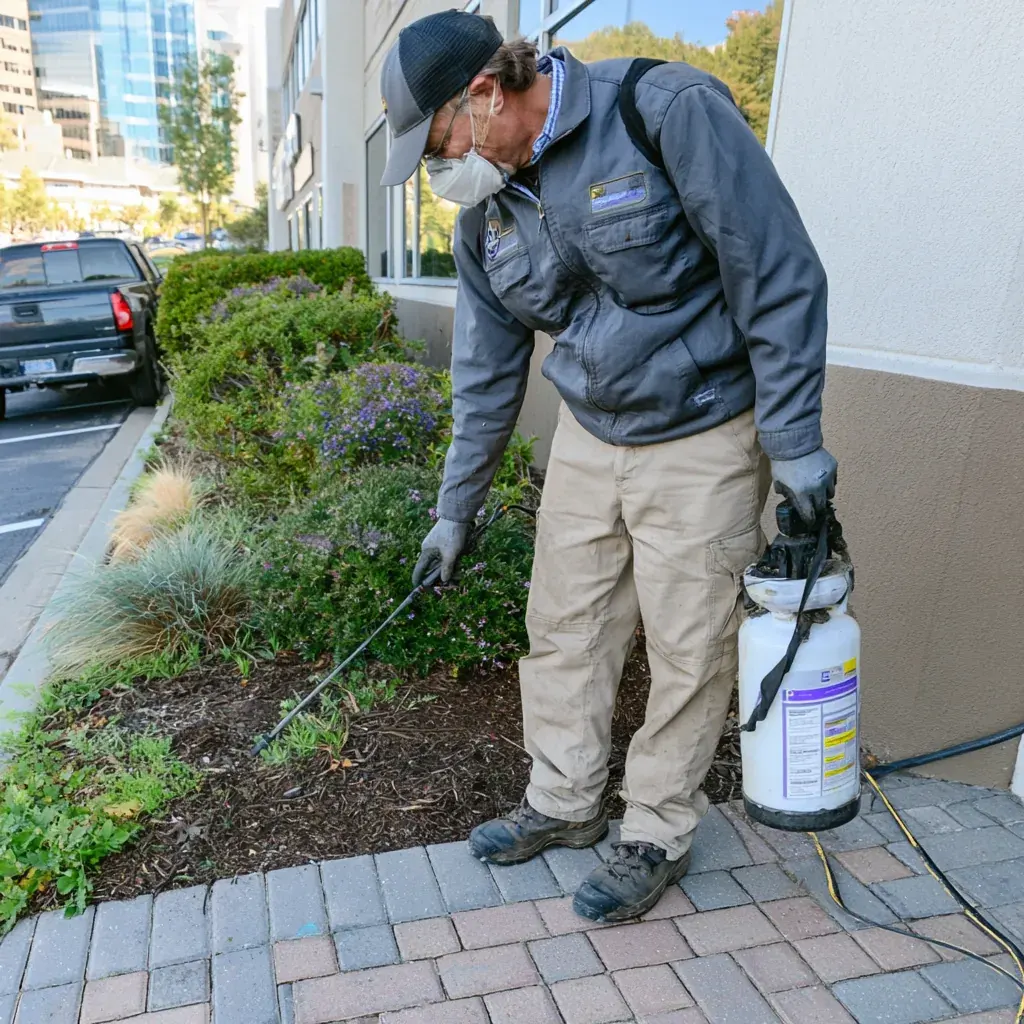
Plan office building termite control around tenant access, shared spaces, operating hours, and clear records for follow-up in High Point.
Office managers can reduce disruption by arranging an inspection, dividing any planned work by building zone, and scheduling around occupancy. Keep the written scope and visit notes in the property file, and notify affected tenants about access or temporary use limits.
In High Point, office building termite control starts with a safe boundary: do not disturb suspected activity or move monitoring stations before speaking with a termite professional. Note the location and keep the area accessible for assessment. A map of tenant suites, shared rooms, and service areas gives the pros we connect you with a practical way to plan access. High Point Museum, US Highway 158, and GTCC Jamestown Campus can help staff orient a location in the city; none indicates conditions at a particular office.
Gather tenant access needs, reported locations, and operating hours before arranging a termite inspection in High Point. Include which spaces are occupied throughout the day, which need an escort, and whom to contact if access changes. That simple record helps the provider coordinate with building staff and tenants before visiting. It also keeps a reported concern tied to the correct suite or shared area, instead of leaving staff to reconstruct its location during a busy workday.
Office buildings have spaces with different access rules: a tenant suite may need advance notice, while a utility room may require an escort or key. In High Point, ask each tenant to share the best contact and any access limits with the facilities manager. The manager can pass a consolidated schedule to the provider and flag areas that cannot be entered during normal operations. This gives the inspection a workable route without treating every room as equally available.
A useful inspection plan covers tenant areas and shared spaces such as storage, utility, and service rooms where access is permitted. A High Point office manager can mark those areas on a floor plan and note rooms with restricted entry. The inspection looks for activity, damage, and conditions that may support termites; the written record should identify what areas were checked. Clear boundaries help staff understand which spaces were included and where access still needs to be arranged.
Before a visit, staff can tell tenants what access is requested, which rooms are involved, and how to report a scheduling conflict. In High Point, a single facilities contact can collect those replies and coordinate keys, escorts, and entry notices with the provider. If a tenant reports suspected activity, record where it was seen and leave it undisturbed for assessment. These steps reduce avoidable interruptions and give the inspection team a clearer account of the building’s access needs.
| Area | Access needs | Record to keep |
|---|---|---|
| Tenant access | Tenant access needs | Suite availability windows |
| Operating hours | Peak occupancy periods | Lower-traffic work windows |
| Shared spaces | Lobby and service routes | Approved access path |
| Restricted rooms | Escort or key details | Named access contact |
| Tenant notice | Approved notice channel | Notice sent record |
| Map references | High Point Museum landmark | Korner’s Folly landmark |
| Work log | Areas made available | Visit date and access status |
| Follow-up file | Inspection report | Monitoring and service notes |
Scheduling works best when the manager compares building operating hours with tenant availability and any restrictions on room entry. A High Point office may have quiet periods, meeting schedules, or shared spaces that cannot be closed without notice. Send those constraints to the provider before setting the visit, then confirm the access contact and route with building staff. This coordination helps people plan around the inspection while leaving the professional room to assess the areas included in scope.
For any work that follows an inspection, ask which areas need to be accessed and what preparation staff should coordinate with tenants. Treatment methods can include liquid termiticides, bait systems, or another approach suited to the findings and property. In High Point, the manager can use that information to plan room access, notify affected tenants, and route staff around designated work areas. Products must be used as their labels direct, and the provider should explain any site-specific instructions.
Some offices rely on bait stations that need periodic monitoring and must remain accessible to the provider. If a station is in a tenant’s space or near a shared walkway, note its location and coordinate entry for service visits. In High Point, tell occupants not to move or disturb stations and give them a contact for access questions. A location list can help facilities staff keep those points visible during routine room changes or tenant moves.
Records turn a one-time visit into a usable starting point for follow-up. For a High Point office, retain the inspection report with the date, inspected areas, findings, and any access limits that left spaces unchecked. Ask that observations be tied to a suite or shared area when possible. A report describes what was observed in the areas inspected; it does not establish conditions in rooms the professional could not enter. Keep the floor plan with the report so staff can locate each note.
Keep treatment records with the inspection report and building floor plan. Note the areas addressed, the method used, any stations installed, and instructions the provider gave for access or monitoring. In High Point, a consistent file makes it easier for a facilities manager to brief a new property contact or answer a tenant’s question without relying on memory. Record who received the instructions and where related documents are stored, so follow-up requests reach the right person.
Buildings managed across multiple locations benefit from a shared record format. Use the same fields for site contact, inspected areas, access restrictions, findings, treatment records, and follow-up notes, while keeping each property’s documents distinct. A High Point manager coordinating more than one office can then see which records belong to each address without assuming the properties have the same conditions. Keep notes tied to the specific site and inspection; a finding at one location does not establish a finding at another.
An inspection report can help staff track what needs attention, but its scope matters. In High Point, check which tenant and shared areas were inspected, whether access was limited, and what the report says about follow-up. If a room was unavailable, arrange access before treating the record as complete for that area. Keep tenant communications with the site file, but separate their reports from the professional’s observations so later readers can tell who documented each detail.
Follow-up depends on the findings and the written service terms. If bait stations are used, confirm who monitors them, how building staff should preserve access, and where monitoring updates will be recorded. A High Point facilities manager can assign a staff contact to route provider visits and add each update to the site file. Retreatment and monitoring terms vary by agreement, so retain the written scope and check its conditions before planning future service.
A practical request to a termite professional includes the office floor plan, tenant access needs, reported locations, operating hours, and any existing inspection or treatment records. In High Point, the manager can ask how the inspection will cover tenant and shared areas, what documentation will be supplied, and how follow-up access should be arranged. Keep suspected activity undisturbed until it can be assessed. With those details ready, staff can plan around business operations and maintain a clear record for the building.
Safe planning starts with an inspection and a written record of what was assessed. In High Point, office building termite control can be organized around tenant schedules, shared areas, and building zones, with treatment work timed to reduce disruption. For a regional portfolio spanning Randleman, Pleasant Garden, or sites near Deep River, keep each property’s findings and follow-up notes in its own file. The pros we connect you with can discuss access and work-area planning with the manager before a schedule is set.
Service areas vary, so check which county locations the pros we connect you with cover for termite inspections and treatment at homes and small commercial properties, includingHigh Point, Browns Summit and Colfax. Ask what the site visit costs and whether distance changes the charge before choosing an inspection time.
Commercial termite quotes are commonly set per visit, with the inspected area and planned visit frequency shaping the total. $75–$250 offers a guide, not a commercial quote. A small office and a broad warehouse can differ; activity, access, treatment choice, and follow-up needs also change the scope.A larger High Point property or one with separate work areas can need more treatment points, stations, or follow-up, changing the quote. When calling, describe the building’s size, layout, storage areas, and observed signs; for a storefront near Greensboro Arboretum, ask about inspection charges and request the included work in writing from the pros we connect you with.For broader commercial planning, follow pricing guide for full service bands and commercial overview for scheduled termite program details.
Ask the termite professional to coordinate with building management before setting work dates. Share occupancy patterns and identify areas that cannot be closed during business hours. The manager can then notify affected tenants and arrange access to suites or shared spaces. In High Point, a written schedule helps staff know which areas are involved and when normal use can resume, subject to the treatment directions.
Keep the inspection report, written treatment scope, service dates, and follow-up notes together for each property. A report can describe the areas inspected, observed conditions, and any limits on access. If a portfolio includes High Point and Randleman, separate files help managers see which records belong to each site and what follow-up the provider recommended.
Yes. Managers can discuss dividing a building into work zones, such as tenant suites, utility areas, and shared corridors. The inspection determines which areas need attention, while the schedule can account for occupancy and access rules. Keep any temporary restrictions in the tenant notice and the site record so staff can direct questions consistently.
Assign one staff contact to maintain each property’s service file and record completed visits, monitoring notes, and any agreed follow-up. For buildings in High Point and Pleasant Garden, this makes it easier to distinguish site histories when personnel or providers change. Keep monitoring stations accessible as directed by the provider, and record any issues that affect service access.
Consider how the issue interrupts routine work, then ask the licensed pros we connect you with what steps could help limit that disruption.
Call (336) 360-9719