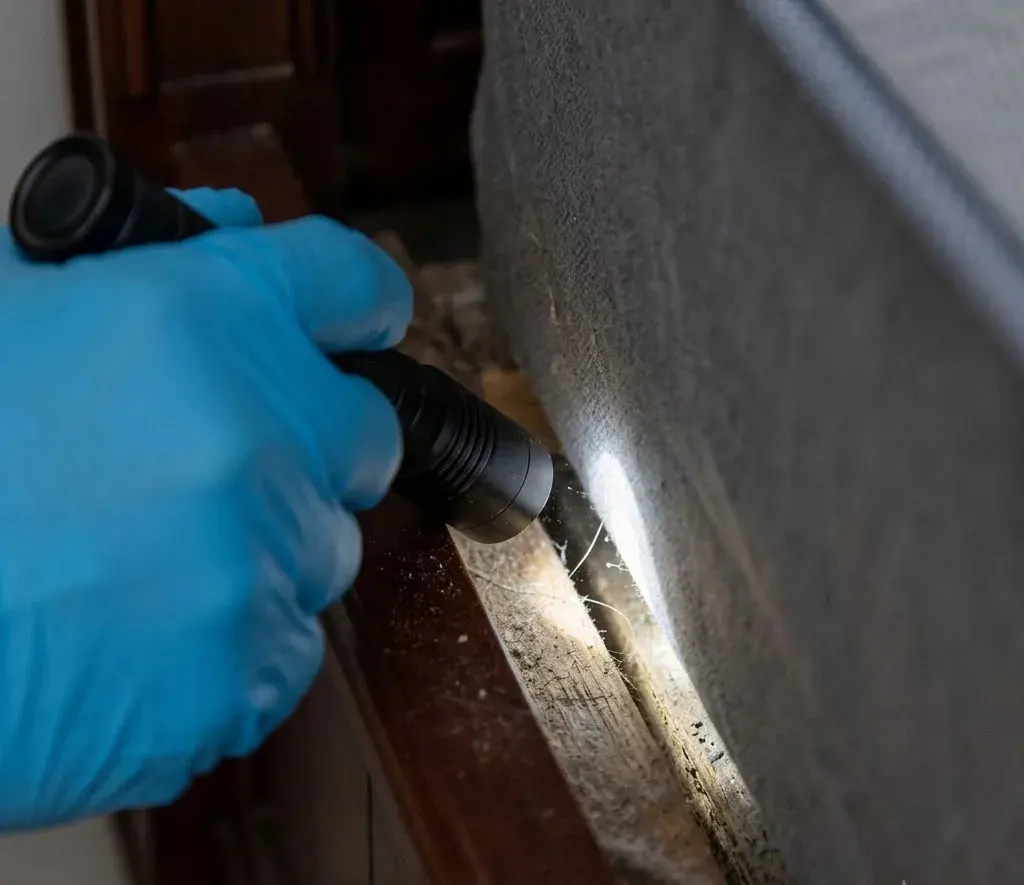
Termites in Furniture
Pinholes, pellets, and damaged wood can raise questions about termites in furniture. Learn what to document, why nearby wood matters, and how inspection findings shape treatment.
Read article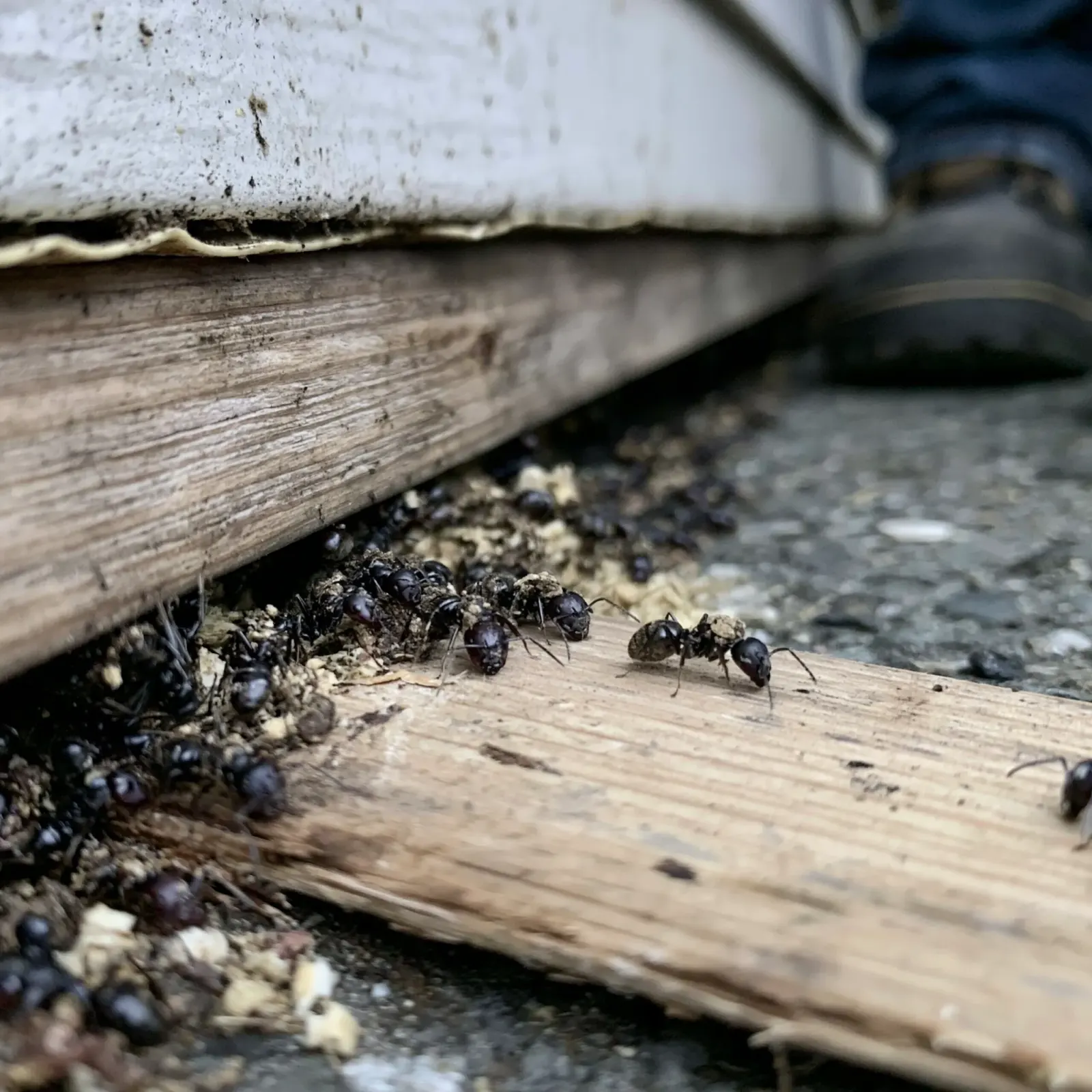
Protect the soil before the foundation goes in, and get the treatment records the builder should hand you.
Preconstruction termite treatment in High Point, NC is protection applied while the soil and building surfaces are still exposed, before concrete and framing cover them. Book the licensed pros we connect you with before foundation work begins.
They review the plans, site access and the builder's schedule, then set the work for the right construction stage. Call (336) 360-9719, and ask for a record of the method, the areas treated and who did the work.
Ask the builder whether soil pretreatment is specified and which exposed soil areas it covers. Rain or grading can change when the work is practical, so coordinate timing with the people handling excavation and the foundation.
Confirm the treatment sequence before concrete or framing hides the area. Also flag any site work that could disturb a finished application.
If stations are part of the plan, record their locations and service access before landscaping makes them hard to find. Ask who handles monitoring after handoff.
Ask the builder for the method, the areas treated and who completed the work. A missing record does not prove the treatment failed.
Go over the plans and site access with the builder to identify exposed areas, the specified method and the construction stage for the work.
Check that the planned soil areas are accessible. Rain, grading or active foundation work may change the schedule.
Apply the protection at the agreed stage, following the product label and coordinating with work that could disturb treated areas.
Record the method, areas addressed and completion details. The owner also gets any system locations and follow-up instructions for the building file.
Once the foundation is poured and framing closes access, checking what happened below or beside it gets much harder. Treating while surfaces are reachable, and keeping a clear record, gives the owner documented protection, though no one can promise termites will never enter.
In North Carolina, businesses performing structural pest control for the public must hold the required state license, and technicians work under a licensee. Ask which business is responsible for the construction treatment and who will provide its records.
The scope should identify the work and method clearly. A builder's note or a product receipt alone is not proof that every planned area was covered.
Keep the method, treated areas, timing and any follow-up instructions together. Requirements and documents depend on the work being performed.
For High Point, ask what the Preconstruction Termite Treatment inspection covers, whether it carries a separate charge, and which treatment tasks the written estimate includes; findings can change the scope.
| Planned Work | What’s Covered | Cost Considerations |
|---|---|---|
| Condition Review | Inspection findings and one treatment method for the identified area | an estimated $650–$780 |
| Targeted Control | Inspection and treatment focused on the location identified in findings | an estimated $745–$1,015 |
| Full-System Care | Identified activity assessed, with treatment confined to the written scope | an estimated $650–$780 |
| Care & Repair | Area-focused inspection and treatment using the method listed in writing | an estimated $1,560–$3,120 |
Access and preparation can add work to a treatment plan, especially when stored items or finished surfaces limit entry to affected areas. Ask what preparation is included and whether a longer-lasting option changes the scope. The full pricing guide explains how these details can influence an estimate.
Arrange it before foundation work begins, while the soil is still exposed. The builder and pest professional review the plans and identify the areas the specification calls for treating. Timing depends on site readiness and weather, and the product label controls how it is used.
Keep a record showing the method, the areas addressed, the work date and the responsible business. File it with the plans, the written scope, invoices and later inspection reports. If the project uses monitoring, also keep the station locations and service instructions.
Yes, rain, grading or other site work can change when exposed soil is ready for treatment. The builder and pest professional should coordinate with excavation and foundation scheduling. If the schedule shifts, ask which areas still need work and whether site activity disturbed treated areas.
Ask the builder what work was completed and request the available documentation. A local licensed pro can review accessible areas and the construction records, then explain what can still be assessed or addressed. Missing paperwork does not prove the treatment failed or that termites are present.
No, it does not guarantee that termites can never enter. The method depends on the site and building design. A clear specification and completion record show what was planned and what was done.
A preconstruction termite treatment estimate at $650–$780 for this work reflects the conditions seen during inspection and the work proposed. The pros we connect you with can clarify what is included and confirm the price.
Compare visible termite warnings with what an inspection can establish about the property.
Pinholes, pellets, and damaged wood can raise questions about termites in furniture. Learn what to document, why nearby wood matters, and how inspection findings shape treatment.
Read article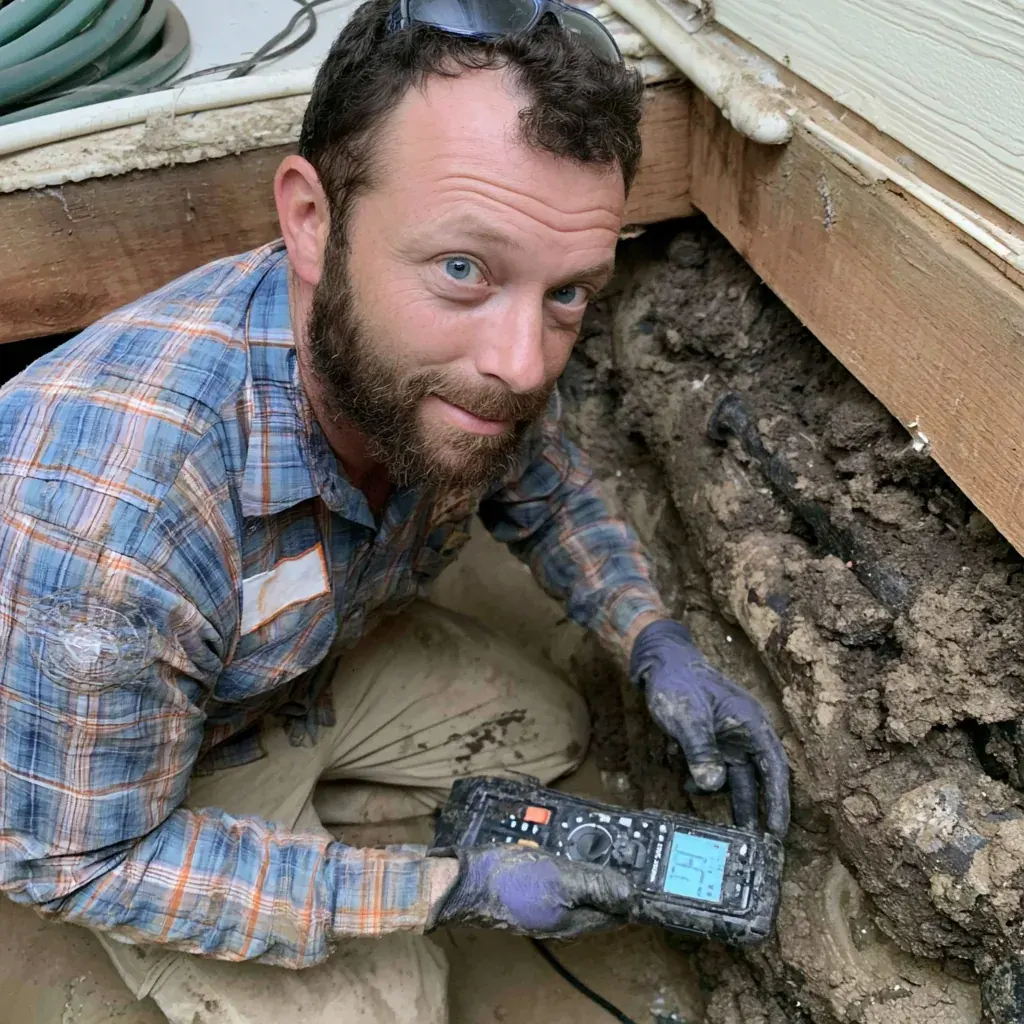
Learn how fresh or weathered evidence, repeat photos, and past records can help distinguish current termite activity from signs left by an older infestation in High Point.
Read article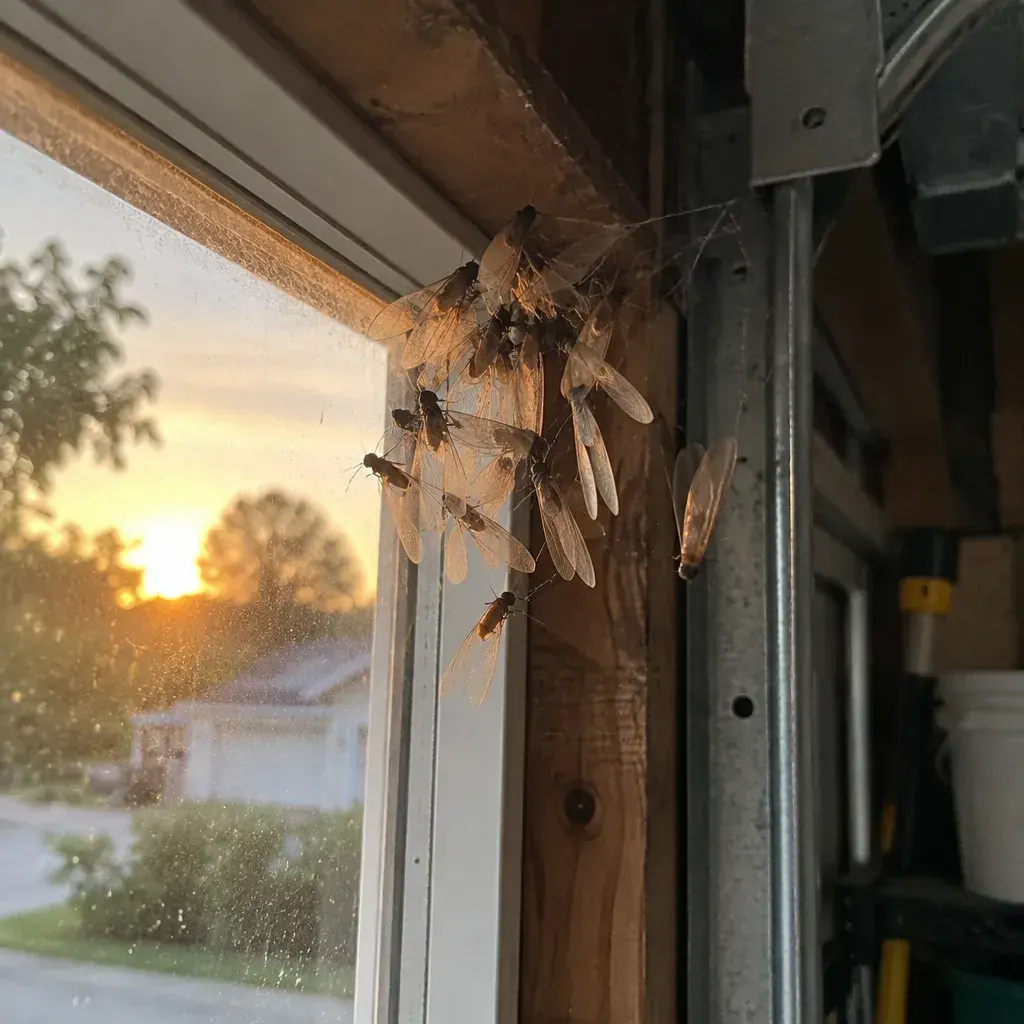
Learn how habitat, moisture, and visible clues help distinguish drywood from subterranean termites, and what to record before arranging an inspection in High Point.
Read articleFor a property in High Point, describe the location of any tubes, discarded wings, or damaged wood and ask whether an inspection can assess them. The pros we connect you with can clarify availability, what the visit covers, and any charge for the inspection. Request written findings and a scope that identifies the treatment areas and method. Ask whether bait station monitoring, later visits, or retreatment are included or handled under separate terms. If the property is near Highway 64, share the address when confirming whether service reaches it.
Call (336) 360-9719