Restaurants
Restaurant Termite Planning
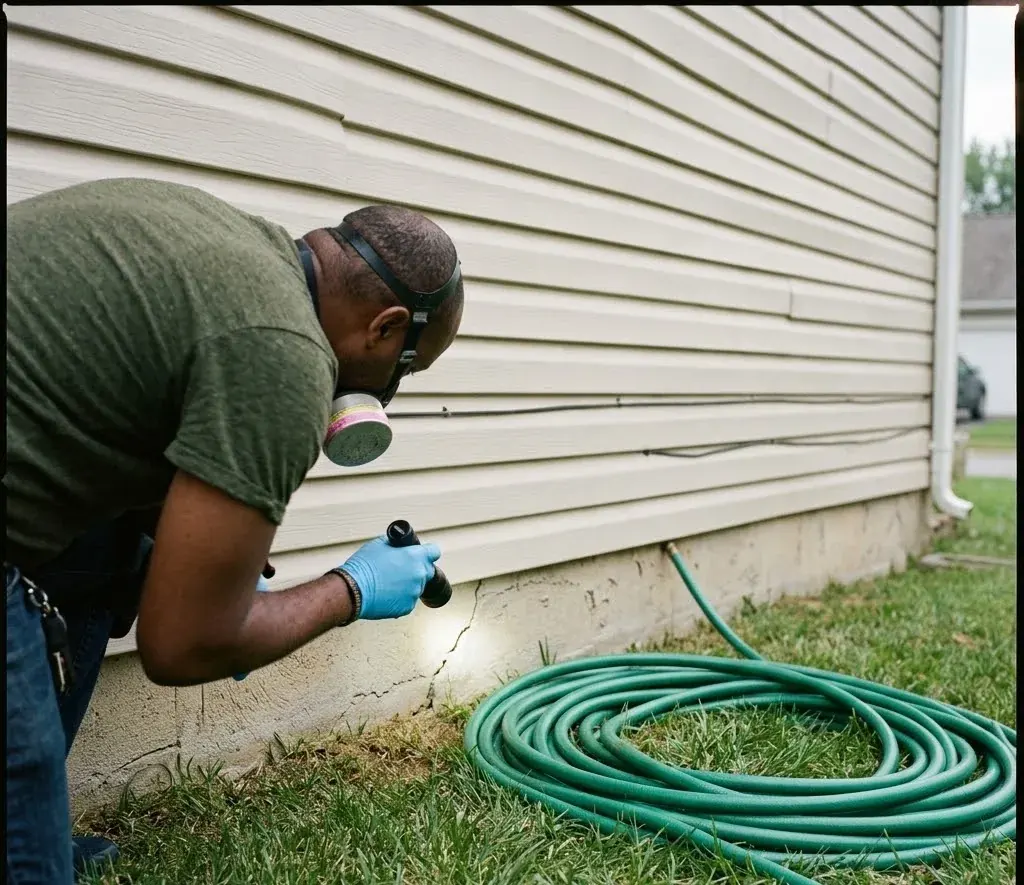
Plan warehouse termite control around building zones, stored goods, access needs, and clear site records in High Point.
Map the warehouse by zones, note visible signs and blocked areas, and arrange an inspection that accounts for stored goods and access rules. Use the findings to plan treatment around operations and keep site-specific records for follow-up.
Warehouse termite control starts with a site plan, not a treatment guess. In High Point, an operator can group buildings and storage areas by use, access, and reported signs, then decide which zones need prompt inspection. Mud tubes, discarded wings, or damaged wood are clues to record; they do not confirm an infestation on their own. The goal is to help the pros we connect you with assess activity across the property and shape a treatment plan that fits how the facility runs.
A warehouse can hide different conditions behind racks, wrapped pallets, and wall finishes. A High Point facility map helps staff note where they saw a tube, wings, or damaged material, along with the date and nearby building feature. Leave suspected activity undisturbed until it is inspected. That record gives the provider a starting point for comparing zones and deciding where access is needed, rather than relying on a broad description such as “near the loading area.”
Keep the location record clear when planning service in High Point. Use each facility’s street address and internal building name; public map references such as High Point Museum, Volunteer Park, and Stone Park can orient a city map, but they say nothing about termite conditions at a warehouse. For each site, note operating hours, restricted areas, storage limits, and the staff contact who can arrange access. Those details help the pros we connect you with plan an inspection around the actual property.
A warehouse inspection looks for signs of activity, visible damage, and conditions that may support termites. In High Point, ask the provider to identify which buildings and accessible areas were inspected, and where stored goods or equipment limited access. Termites can damage wood and other cellulose materials, including in concealed spaces, so an orderly surface alone cannot establish the full condition. Findings should distinguish what was observed from areas that need further evaluation.
Storage can determine what an inspector can see. Before a High Point site visit, identify aisles that must stay open, products that cannot be moved, and any area where handling needs special coordination. Do not shift suspected termite material just to make it easier to inspect; first ask the provider what access is needed. A site contact can then arrange a safe path and record any zones that remained inaccessible, so the written findings have a clear scope.
| Building zone | Signs found | Work constraint |
|---|---|---|
| Building zones | Storage zones and inspection access windows | Log bay and observation time |
| Storage access | Visible wood damage | Mark aisle and rack location |
| Operations planning | Mud tubes on accessible surfaces | Record location; avoid disturbing signs |
| Site records | Goods block inspection access | Arrange a safe access window |
| Staff reports | Sightings tied to a work area | Note date, zone, and details |
| Building zones | Findings differ across mapped areas | Review each zone separately |
| Follow-up review | Treatment may affect work access | Coordinate timing with site staff |
| Site records | Use city labels: High Point, Kernersville, Greensboro | Keep reports matched to each facility |
Treatment depends on the termite issue and the conditions at the property. For a High Point warehouse, the inspection findings should guide whether a liquid treatment, bait system, or another suitable method is considered, with products applied only as their labels direct. Ask which building zones the proposed work covers and what site preparation is required. That makes the written scope easier to compare with the operator’s priorities, storage layout, and access limits.
Large facilities may need work coordinated by building or zone so staff can manage access and keep essential operations organized. In High Point, ask the provider to explain the proposed sequence, any areas that need to be cleared, and whether restricted spaces affect the plan. Avoid assuming every part of a warehouse needs the same method. A zone-by-zone scope lets an operator discuss practical constraints before work is scheduled and keeps treatment decisions tied to inspection findings.
Industrial termite treatment still has to fit the specific infestation and property. A High Point operator should review how the proposed method interacts with stored goods, occupied work areas, and the facility’s access rules, then follow the product label and provider instructions. Do not apply pesticide or alter a treatment area based on a visual clue alone. The provider should explain the planned work, its limits, and what staff need to do before the area is returned to normal use.
A useful report makes findings traceable to places inside the facility. For a High Point warehouse, ask for observed signs, visible damage, inspected areas, access limits, and conditions that may need attention to be recorded by building or zone. The report describes what was seen during that inspection; it is not a guarantee that concealed areas are clear. A map or consistent zone names can help maintenance staff connect recommendations to the right location.
Keep site records in a format staff can update when a concern is reported or work is completed. At a High Point facility, a log can pair the building and zone with the observation, inspection date, provider findings, and any agreed follow-up. Separate confirmed observations from staff suspicions, and retain the written scope with the record. Consistent notes help an operator compare conditions across properties without treating one building’s findings as proof about another.
The cost of a termite inspection can depend on the number and layout of buildings, the areas that can be accessed, storage constraints, and how much documentation the operator needs. In High Point, give the provider a clear site list and explain any restricted zones before requesting an estimate. Ask whether the proposed inspection covers each building, what it excludes, and how additional evaluation would be handled. A defined scope makes estimates more useful to compare.
Before approving work, read the written scope for the buildings and zones included, the treatment method, preparation steps, and any follow-up terms. For a High Point warehouse, confirm who will coordinate access and how changes to the facility plan are handled. Retreatment and monitoring terms vary by provider and agreement, so ask what is covered and what conditions apply. Keep the signed documents with the site records for future reference.
After treatment, keep a record of the areas addressed and any follow-up the agreement calls for. A High Point operator can assign a site contact to report new signs, preserve access to areas designated for service, and share changes in storage or building use with the provider. Do not move or alter installed equipment without checking the instructions. These records help the operator understand what was done and what the provider recommends next.
To prepare for an independent termite professional, list the buildings, reported signs, storage constraints, access rules, and records of prior inspections or treatment. In High Point, ask how the provider will document each zone, what could not be inspected, which treatment options fit the findings, and how work can be coordinated with operations. That conversation turns scattered reports into a property plan and gives staff a clear way to review the proposed scope.
Warehouse termite control starts with a site map, safe access, and a clear stop point: staff should not open walls, shift heavy racks, or disturb suspected evidence to investigate. In High Point, stored goods can obscure signs in separate zones, so a single walk-through may miss areas. Record where signs appear and which aisles or rooms could not be reached. Then ask an independent termite professional to assess accessible areas, explain inspection limits, and propose work that fits shipping, inventory protection, and facility records.
Confirm that termite inspections and treatment can be arranged for residential and small commercial properties throughout the county; the linked communities show where service is available, includingHigh Point, Browns Summit and Colfax. Before scheduling, confirm whether the inspection visit has a fee and whether travel charges apply to the property's location.
An office suite may need a narrower scope than a warehouse, so commercial termite work is generally priced per visit and adjusted for area and how often service is needed. Treat $75–$250 as a guide only. Findings, access, activity, treatment approach, and monitoring needs shape the written estimate.A larger High Point property or one with separate work areas can need more treatment points, stations, or follow-up, changing the quote. When calling, describe the building’s size, layout, storage areas, and observed signs; for a storefront near Greensboro Arboretum, ask about inspection charges and request the included work in writing from the pros we connect you with.For broader commercial planning, follow pricing guide for full service bands and commercial overview for scheduled termite program details.
Yes. Wood pallets and other cellulose materials can be damaged by termites, so tell the inspector where packaging is stored and whether any pieces show visible damage. Keep the affected area identifiable for review. The inspection can assess accessible materials and nearby building areas; staff should not assume that one damaged pallet establishes the source or extent of a problem. Ask that any limits on access be recorded with the findings.
Share receiving windows, active shipping routes, restricted areas, and inventory protection needs before work is scheduled. The proposed scope should identify where treatment is planned and any access or handling steps the facility must arrange. Ask whether the scope includes monitoring or follow-up, and record any agreed steps with the service details. Keep the agreed schedule and responsibilities with the facility's service records.
Keep the written inspection report and scope with the records for that building. Note which zones were accessible, which were blocked by stock or equipment, and where follow-up was recommended. For a regional portfolio in High Point, Thomasville, or Colfax, file each site's documents separately so staff can trace recommendations to the right facility. Confirm who updates the record if later work changes the plan.
Start with reported signs, inspection access, storage constraints, and the consequences of delaying work in each building. Ask a professional to assess the sites and explain the basis for the proposed order; a map or report can help compare what has been reviewed. Do not rank facilities by ZIP code or assume one site's findings apply elsewhere. Keep the reasoning and next steps with each property's records.
Share the building map, storage limits, and reported signs with an independent termite professional to plan an inspection around warehouse operations.
Call (336) 360-9719