A Yard Sighting Is Not a Diagnosis
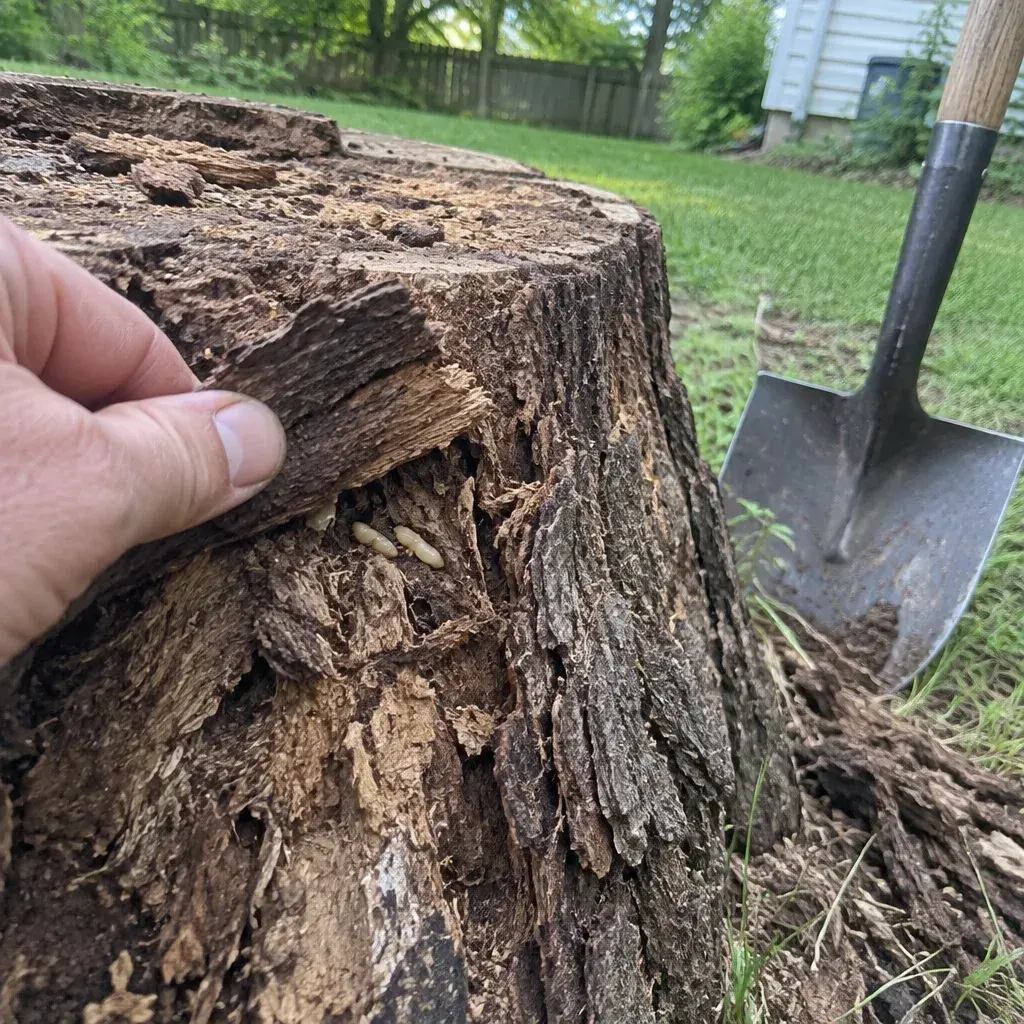
Finding termites in a yard does not by itself mean the home needs treatment. In High Point, termites may be active in a stump or fallen wood without that sighting confirming activity inside a house. The useful distinction is location: note whether the insects or damaged wood are isolated outdoors, close to the structure, or also visible indoors. A sighting near Paradise Park is still only a clue about that spot; an inspection is what helps determine whether there are signs in the structure.
A stump can hold termite activity long after a tree has been cut, and fallen branches or discarded lumber can draw attention for the same reason: they contain wood termites can use. Seeing insects in that material tells the owner where activity is visible, but it does not establish what is happening in the house. In High Point, record which piece of wood was involved and whether it is close to the building. Keep the observation intact so an inspector can assess it.
Compare Outdoor and Structural Signs
Distance and direction matter when comparing termites in yard areas with possible structural activity. A homeowner might see insects in a log at the edge of the property, with no visible signs on the house; that is different evidence from damaged wood or mud tubes on the foundation. Around The Big Chair, as anywhere in High Point, the landmark does not indicate termite activity. What matters is the exact spot where the owner saw insects or damage and how it relates to the structure.
Termites in yard debris warrant a closer look, but they do not prove the home needs treatment. In High Point, a homeowner might find termites in a stump or wings beside fallen wood; those signs can point to activity, while an inspection checks whether the structure is involved. Subterranean termites often nest in soil; drywood termites can live inside wood. From High Point Museum to Volunteer Park, note where signs appear and arrange an inspection if they reach a structure or turn up indoors. The pros we connect you with can assess the evidence.
Read Swarms and Wood Damage Carefully
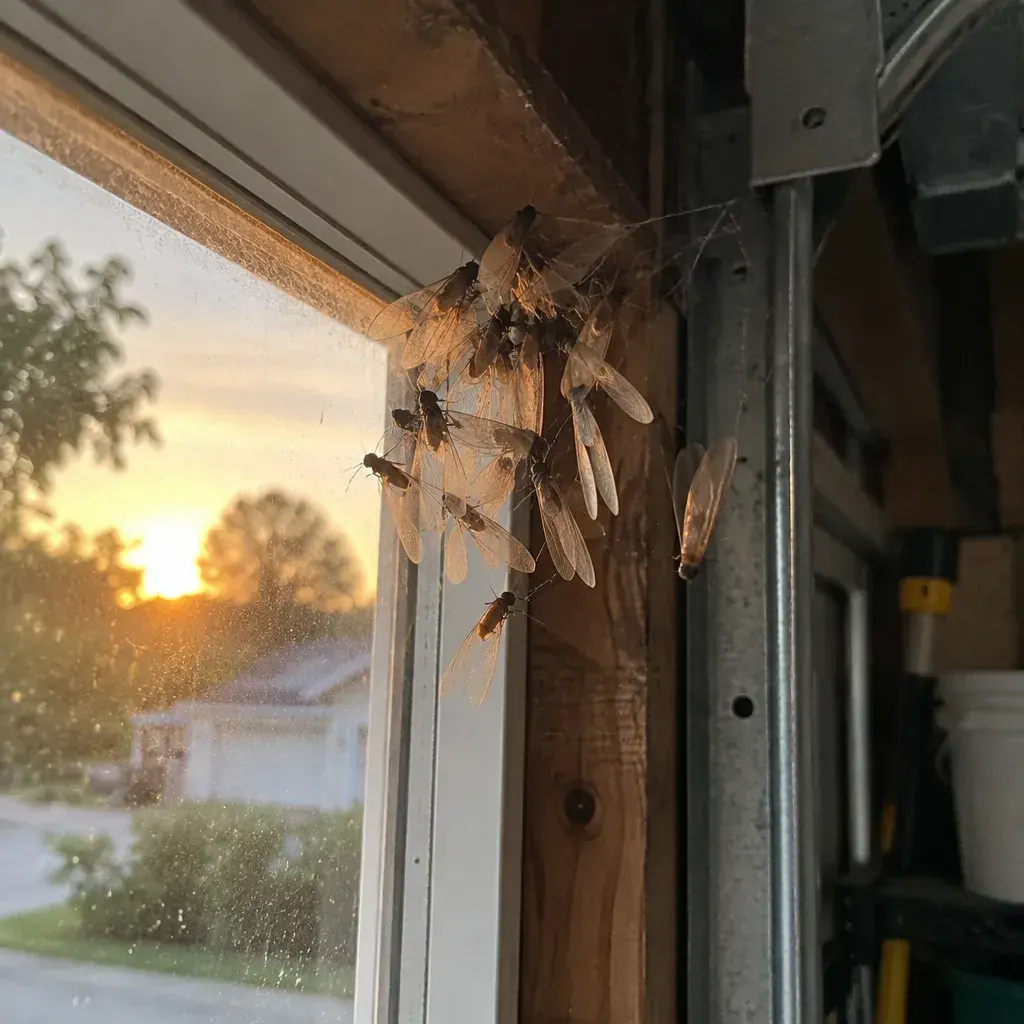
Swarming can make a yard sighting more noticeable. Swarmers are winged reproductive termites, distinct from the workers that damage wood. Wings found outside do not prove that a colony is in the house. Wings found indoors can help identify which part of the structure to inspect. Those details give the inspector context without turning a seasonal sign into a diagnosis.
The kind of wood and the pattern of damage can also help put a sighting in context. Termites feed on cellulose-containing material, and visible damage may not show how far it extends. If a fallen limb near the house looks hollow or broken down, note that specific condition; do not assume the structure is affected. A property near Thomasville follows the same evidence-based distinction as one in High Point: a damaged yard item is a reason to document what is seen, not proof of indoor activity.
Know When to Arrange an Inspection
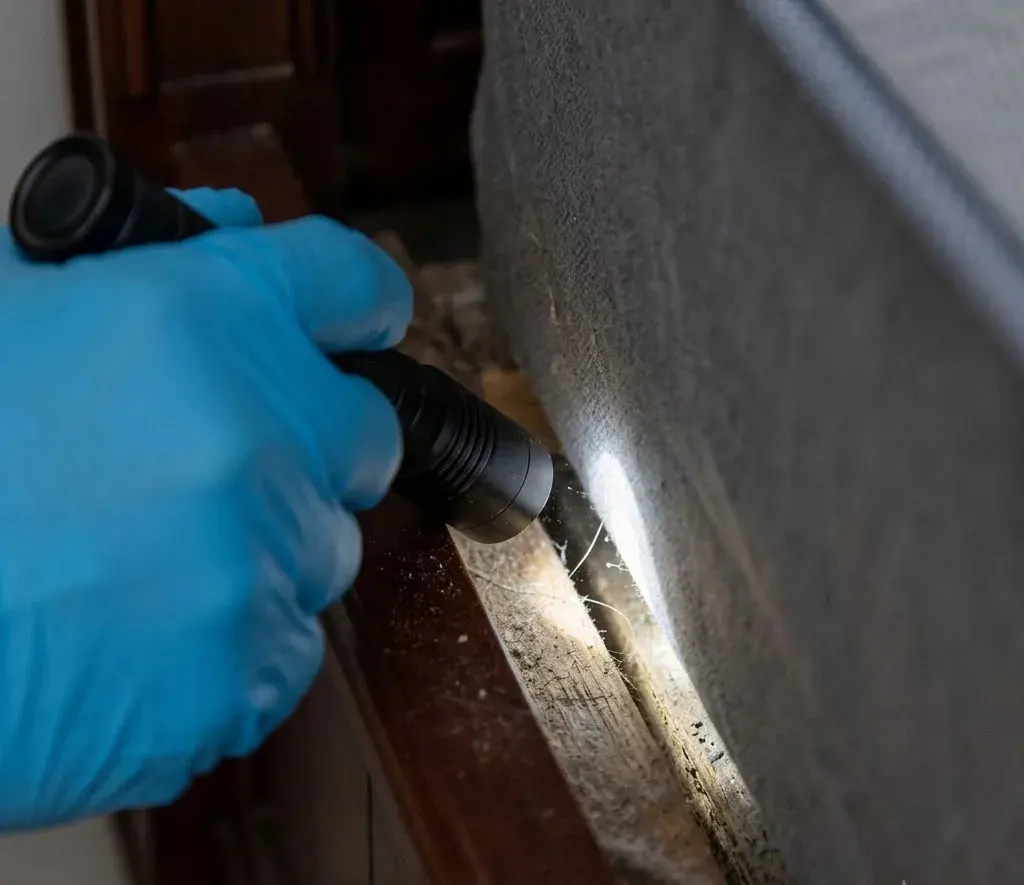
Arrange an inspection when signs appear on the structure or indoors, or when yard activity is close enough to leave the owner unsure whether it reaches the building. Before the visit, write down the location and appearance of each sign and avoid disturbing suspected activity. Photographs can preserve details if a sign changes before the inspection. A clear note is more useful than a guess about the source.
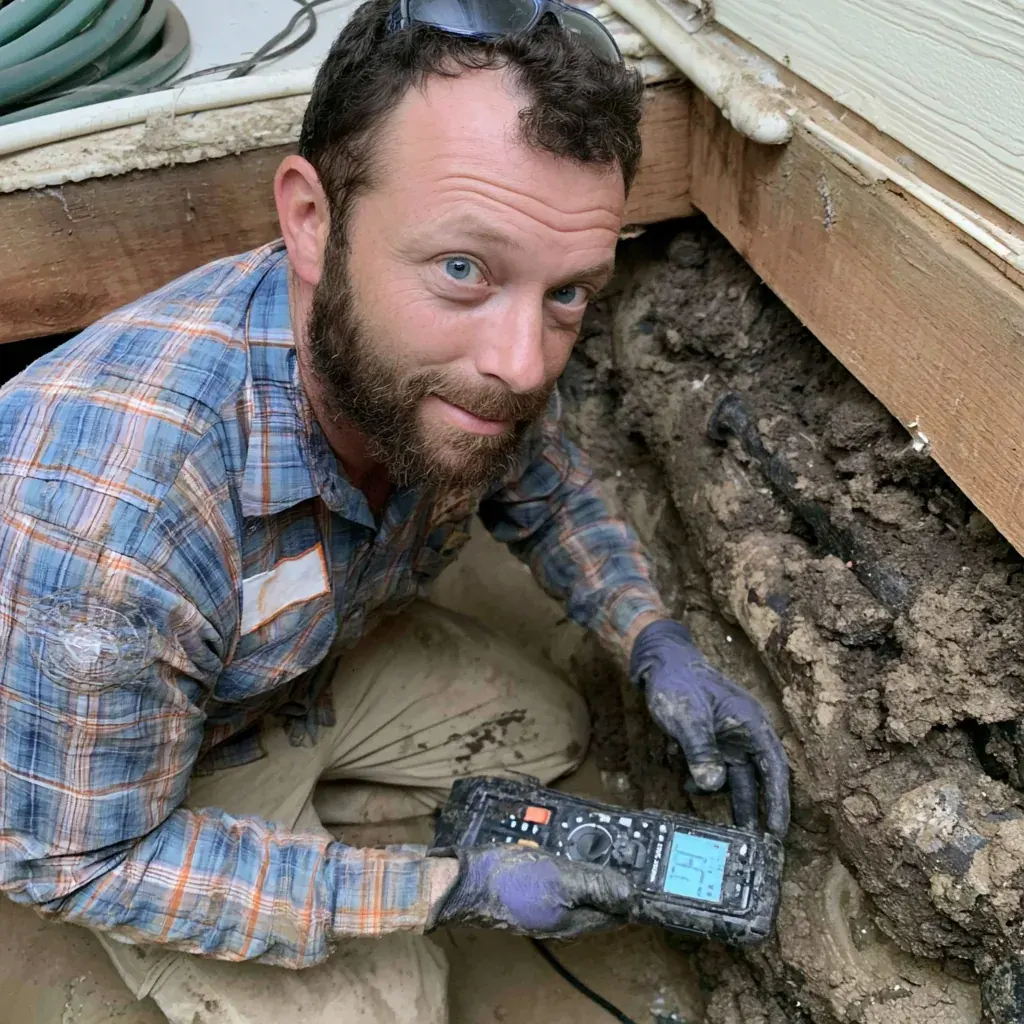
An inspection can clarify what was observed and which accessible areas were examined; it cannot make an unseen area visible by assumption. Ask the inspector to explain any signs found, where they were found, and what remains uncertain. For a High Point homeowner, that account helps separate an outdoor finding from evidence involving the home. The same questions suit a small business owner. If no structural signs are found, a yard sighting alone is not a reason to conclude the building needs treatment.
Dealing with termite signs at your home?
Termite concerns can call for an inspection, treatment, or both; the right next step depends on the property and what the inspection finds. A homeowner or small business contact should ask what areas will be checked, what conditions may support activity, and which options fit the findings. For a home near the High Point Museum, a Greensboro College property, or a business in Greensboro, confirm whether the pros we connect you with serve that address, when a visit may be arranged, and whether a visit charge applies. Review written findings before deciding on follow-up.